The Controller Takeover: How Fighting Game Peripherals, Racing Wheels, and Arcade Sticks Are Spawning a Hardware Renaissance
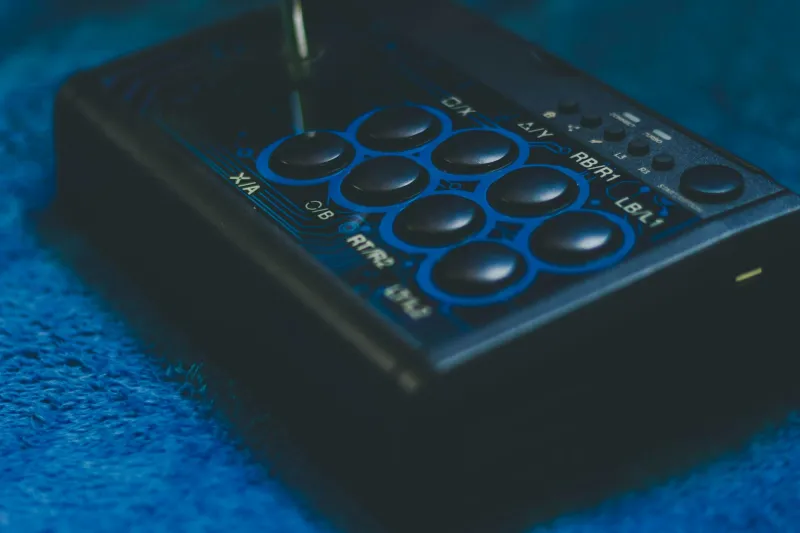
Walk into any major gaming retailer today and you'll witness something that would have seemed impossible a decade ago: entire walls dedicated to controllers that cost more than the consoles they connect to. $400 racing wheels, $300 arcade sticks, and $250 "pro" controllers have moved from niche enthusiast territory into mainstream gaming culture. America is experiencing a peripheral renaissance, and it's changing how we think about the tools of play.
Beyond the Basic Gamepad
The standard controller that ships with your console represents a masterpiece of compromise engineering—good enough for everything, perfect for nothing. But as gaming has matured and diversified, that one-size-fits-all approach increasingly feels like trying to perform surgery with a Swiss Army knife.
Enter the specialists. Companies like Hitbox, Brook, and Fanatec have built thriving businesses around the radical idea that different games deserve different tools. Their customers aren't casual players looking for marginal improvements—they're dedicated enthusiasts willing to invest serious money for meaningful advantages in their chosen gaming domains.
"The moment I switched from pad to stick for fighting games, it wasn't just about better inputs," explains Maria Gonzalez, a competitive Street Fighter player from Phoenix. "It was about feeling connected to the legacy of arcade culture, having physical feedback that matched the intensity of the game, and knowing my execution failures were on me, not my equipment."
The Fighting Game Connection
The Fighting Game Community (FGC) deserves credit as the driving force behind this peripheral revolution. While other competitive gaming scenes standardized around conventional controllers, fighting game players never abandoned their arcade roots. The precision required for frame-perfect combos and the cultural significance of arcade-style inputs kept demand alive for traditional stick-and-button setups.
That persistence paid off. As fighting games experienced a mainstream renaissance with titles like Street Fighter 6 and Tekken 8 pulling in millions of new players, many discovered that arcade sticks weren't just nostalgic artifacts—they were genuinely superior tools for the job. The tactile feedback of mechanical buttons, the precise throw distance of arcade-style joysticks, and the ergonomic advantages of playing with your hands spread wide rather than cramped together created converts overnight.
 Photo: Street Fighter 6, via png.pngtree.com
The FGC's influence extends beyond fighting games. The community's culture of hardware modification, custom artwork, and individual expression through peripheral choice has spread to other gaming communities. Racing sim enthusiasts now customize their wheel setups with the same passion that fighting game players invest in stick modifications.
The Boutique Boom
Small manufacturers have seized the opportunity created by major console makers' focus on mass market appeal. Companies like Battle Beaver Customs, SCUF Gaming, and Evil Controllers have built sustainable businesses around highly specialized, often hand-assembled controllers that address specific player needs.
The business model is fascinating: instead of competing on price, these companies compete on precision, customization, and understanding of niche use cases. A $200 controller might seem expensive until you consider that it's hand-assembled in small batches, features premium components, and often includes extensive customization options that major manufacturers can't economically provide.
"We're not trying to make controllers for everyone," explains David Kim, founder of a boutique controller company in California. "We're making controllers for the players who know exactly what they want and are willing to pay for it. That's a much more interesting business than trying to hit the lowest common denominator."
The Psychology of Premium Tools
The willingness to spend premium money on gaming peripherals reflects broader cultural shifts in how Americans approach their hobbies. Just as coffee enthusiasts invest in high-end espresso machines and cyclists spend thousands on carbon fiber frames, gamers are increasingly viewing quality peripherals as essential tools rather than luxury accessories.
There's also a psychological component at play. Using specialized hardware creates a sense of commitment and seriousness that can improve performance through placebo effects alone. When you've invested $300 in a racing wheel setup, you're more likely to approach your sim racing sessions with focus and intention.
The customization aspect cannot be understated. In an era of increasingly homogenized gaming experiences, personalized hardware represents one of the few ways players can express individual identity within digital spaces. A custom-painted arcade stick or a controller with personalized button layouts becomes an extension of the player's gaming identity.
Racing Into the Future
While fighting games provided the cultural foundation, racing simulation has emerged as the peripheral market's biggest growth driver. The combination of accessible sim racing titles like Gran Turismo 7 and Forza Motorsport with the rise of competitive online racing has created massive demand for wheel and pedal setups.
 Photo: Gran Turismo 7, via i.pinimg.com
The progression path is almost comically predictable: casual players start with basic wheels, discover the limitations, upgrade to direct-drive bases, add load cell pedals, invest in proper racing seats, and eventually find themselves with $2,000+ setups that rival actual race car simulators.
"It's not about the money," insists Tom Bradley, a sim racing enthusiast from Atlanta whose setup cost more than his actual car. "It's about the experience. When you have proper force feedback and realistic pedal feel, racing games stop feeling like games and start feeling like actual driving."
The Mainstream Acceptance
What's remarkable about this peripheral renaissance is how quickly specialized hardware has gained mainstream acceptance. Streaming and content creation have played a huge role—viewers see their favorite streamers using premium controllers and arcade sticks, normalizing the idea that serious gaming requires serious equipment.
Major retailers have responded by expanding their peripheral sections and training staff to understand the differences between products. Best Buy employees can now explain the advantages of optical switches over mechanical ones, and GameStop locations stock arcade sticks alongside traditional controllers.
The COVID-19 pandemic accelerated adoption as home gaming setups became primary entertainment and social spaces. Players who suddenly found themselves spending 40+ hours per week gaming were more willing to invest in comfort and performance upgrades.
The Tools Shape the Experience
This hardware renaissance represents something deeper than consumer trends—it's a recognition that the tools we use to interact with digital worlds fundamentally shape our experiences within them. A fighting game played on an arcade stick feels different from the same game played on a gamepad, not just because of improved precision, but because of the physical ritual and cultural connection the hardware provides.
As gaming continues to diversify and mature, expect this trend toward specialized hardware to accelerate. The one-size-fits-all controller isn't disappearing, but it's no longer the only option. In a medium where the interface between player and game is everything, having the right tools for the job isn't just about performance—it's about respect for the craft of play itself.
The controller takeover is complete, and gaming is better for it.