Spectator Mode: Why Watching Games Has Become America's Fastest-Growing Way to 'Play' Them
Spectator Mode: Why Watching Games Has Become America's Fastest-Growing Way to 'Play' Them
Here's a question worth sitting with: when does a person stop being a gamer?
Is it when they stop buying games? When they stop finishing them? When they play for two hours a week instead of twenty? Or is it something else entirely — a shift not in quantity but in kind, from active participant to engaged observer, from player to audience?
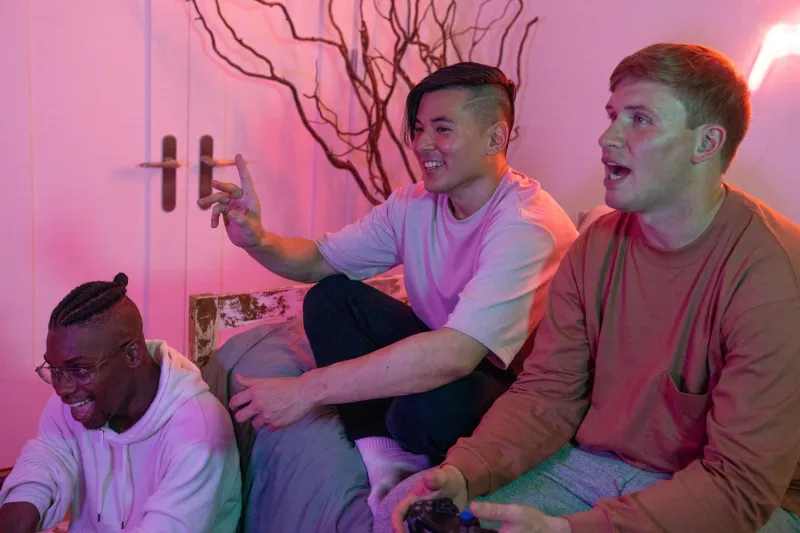
Because somewhere in the last decade, a significant and growing segment of the American public made exactly that transition. They watch games on YouTube for hours a day. They follow streamers on Twitch the way their parents followed sports teams. They know the lore, the meta, the discourse, the drama — and they do all of it without ever picking up a controller. They are, by almost any cultural definition, gamers. They just aren't playing.
The Numbers Are Real and They're Growing
The scale of gaming spectatorship in the US is genuinely staggering when you lay it out plainly. Twitch consistently logs over 30 million daily active users. YouTube Gaming content generates billions of views monthly. Short-form gaming content on TikTok and Instagram Reels reaches audiences that dwarf traditional gaming media. Nielsen's gaming audience research has for several years now shown a meaningful and growing cohort of consumers who engage with gaming content regularly but describe themselves as infrequent or non-players.
This isn't the esports audience, exactly — though that overlaps. It's broader and more diffuse. It includes people who watch let's plays of games they'll never buy. People who follow a streamer's personality more than any specific game they play. People who consume gaming news, gaming drama, gaming lore explainers, and gaming reaction content as a primary entertainment diet, with actual gameplay as an optional extra they sometimes get around to.
The industry has noticed. Publishers' marketing strategies have shifted dramatically toward content creator partnerships over the last five years, a change that only makes sense if you understand who the real audience is. When a game's launch strategy centers on sending early copies to fifty YouTubers rather than running TV spots, you're marketing to spectators as much as to players. You're selling the experience of watching the game almost as hard as you're selling the game itself.
Why People Watch Instead of Play
The reasons are varied and worth taking seriously rather than dismissing as laziness or apathy.
Time is the obvious one. Gaming has always competed for discretionary hours, and in 2026, those hours are scarcer and more contested than ever. A working adult with kids, a commute, and a social life might have forty-five minutes of genuine downtime in an evening. That's not enough to make meaningful progress in a modern open-world game. It might be enough to watch someone else play one, though — to get the narrative satisfaction, the visual stimulation, the community connection, without the cognitive overhead of actually playing.
Accessibility is another factor that doesn't get enough credit. Gaming has a steep and often invisible entry barrier — not just cost, but the physical and cognitive demands of contemporary game design. Watching removes those barriers entirely. You get the story, the world, the characters, without needing fast reflexes, spatial reasoning, or hours of tutorial slog. For players who tried gaming and found it frustrating, spectatorship offers a way to stay connected to a culture they genuinely love without the friction that pushed them out.
Then there's the social dimension, which is maybe the most interesting piece. Watching a popular streamer isn't a passive experience in the way that watching a movie alone is passive. It's participatory — chat is moving, the streamer is responding to chat, you're part of a live communal event that has its own social dynamics and in-jokes and shared history. For a lot of people, especially younger Americans who grew up with this format, that parasocial community is genuinely meaningful. It scratches the social itch that gaming at its best has always scratched, without requiring you to be any good at the game.
How Spectatorship Is Reshaping Game Design
This is where the conversation gets genuinely consequential for the industry, because the shift toward spectator audiences isn't just changing how games are marketed. It's changing how they're built.
The term "streamer-friendly" has become a real consideration in design meetings. It means different things in different contexts, but at its core it means: does this game produce interesting, watchable moments? Does it generate clips? Does it have the kind of chaotic, unpredictable energy that makes for compelling content, or is it methodical and slow in ways that lose a viewing audience?
You can see the influence in mechanical choices that prioritize spectacle over depth. In narrative games, the push toward cinematic presentation — longer cutscenes, more elaborate set pieces, dialogue-driven storytelling that plays almost like a TV show — serves spectators as much as players. Games like The Last of Us Part II and God of War Ragnarök were designed with an awareness that millions of people would watch them on YouTube rather than play them, and that those viewers were a legitimate audience worth serving.
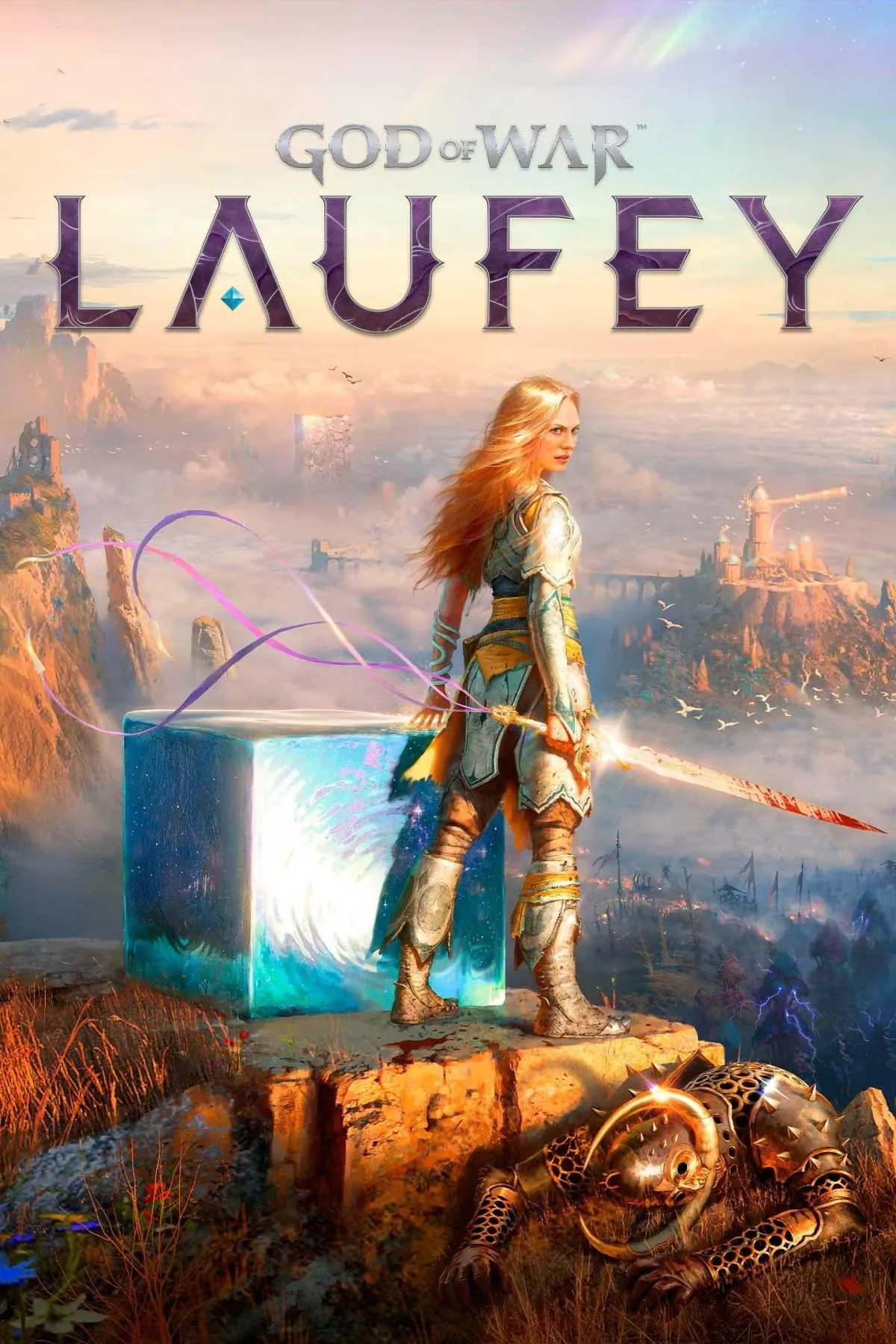 Photo: God of War Ragnarök, via static0.gamerantimages.com
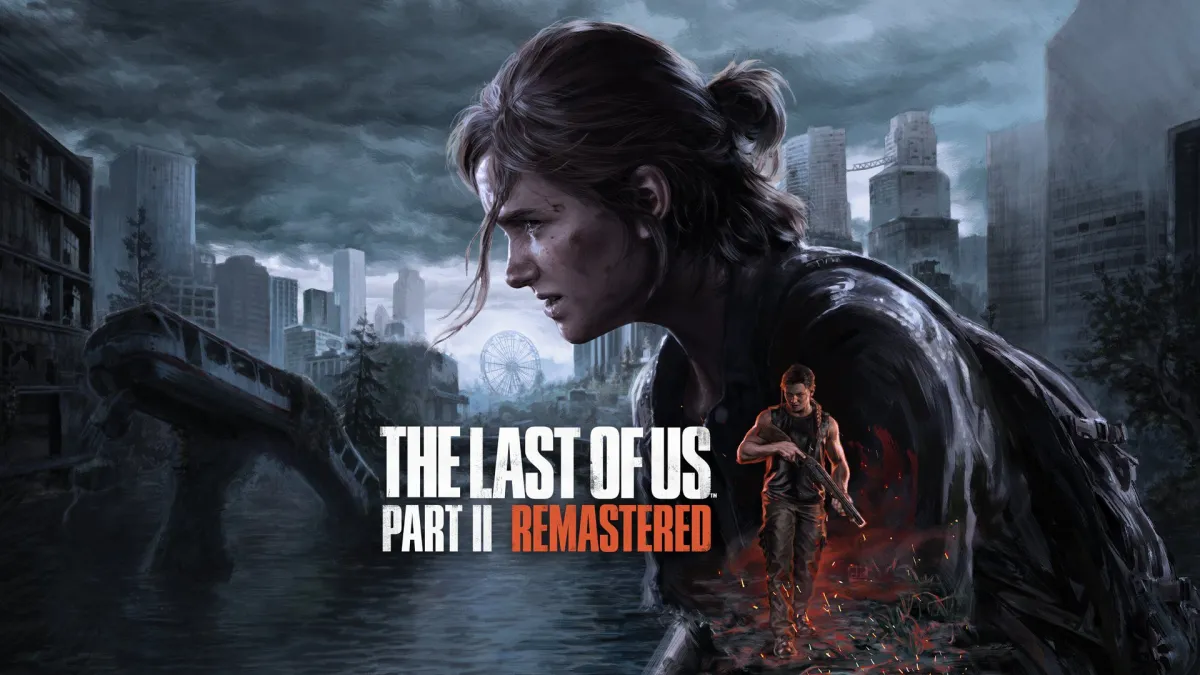 Photo: The Last of Us Part II, via cdn.wccftech.com
In multiplayer games, the influence shows up differently. Among Us became a cultural phenomenon primarily through spectatorship before most people had played it. Fall Guys, Lethal Company, Content Warning — games explicitly designed around the social chaos that makes for great streaming content. The "content game" has become a genuine genre, optimized for the camera as much as for the controller.
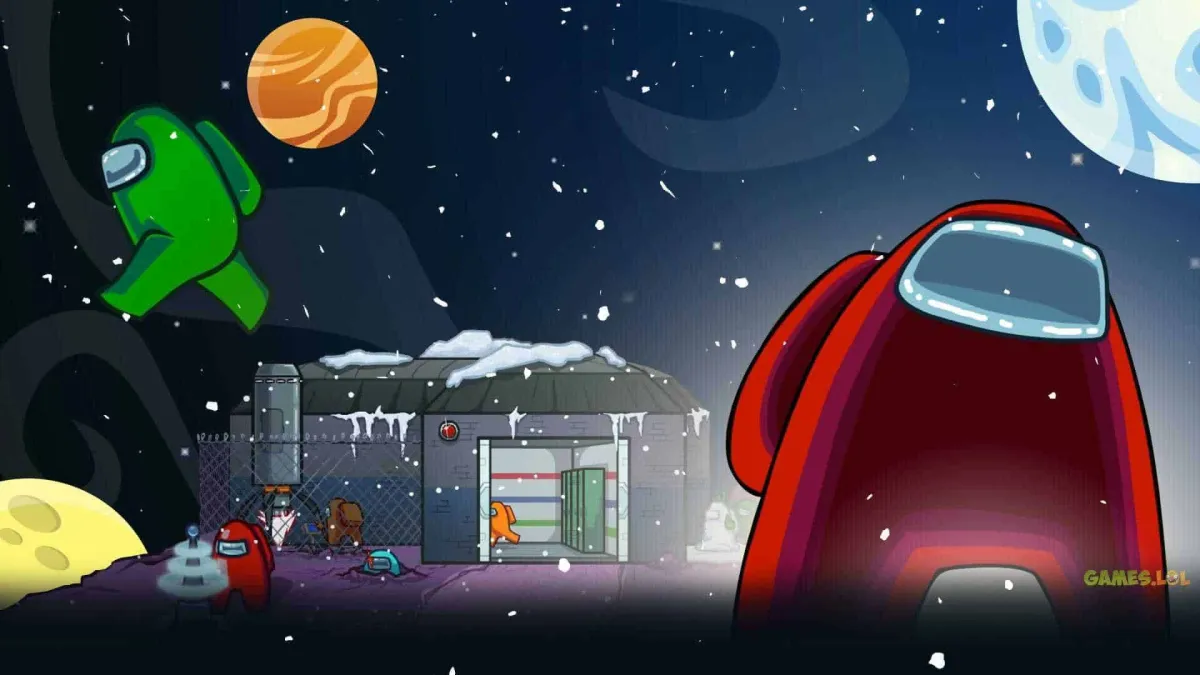 Photo: Among Us, via wallpapers.com
This isn't inherently bad. Some of the most interesting design innovation of the last few years has come from studios thinking seriously about what makes games watchable. But there are real trade-offs. Deep, complex systems that reward mastery — the kind of design that produces 500-hour games and devoted communities — tend to be less streamer-friendly than accessible, chaotic, immediately readable games. If the spectator audience is large enough to influence development priorities, it will pull design toward accessibility and spectacle and away from depth and complexity. That's a meaningful shift in what games can be.
The Monetization Follows the Eyeballs
Publishers are already following the money into spectator territory in ways that go beyond marketing. The rise of the "cinematic" game as a prestige category — Sony's first-party slate being the clearest example — is partly a response to the understanding that these games perform exceptionally well as content even when their sales numbers are modest. A game that gets 50 million YouTube views might justify its development budget through brand value and franchise positioning even if it only sells 3 million copies.
Live-service games have incorporated spectator mechanics directly into their economies. Twitch Drops — in-game rewards distributed through watching streams — are a direct financial instrument that converts viewing into engagement. Battle passes are designed with content creators in mind; the seasonal rollout of new cosmetics and story beats gives streamers a perpetual content refresh that keeps their audience watching. The line between playing the game and consuming content about the game has been deliberately blurred because keeping that line blurry is commercially advantageous.
What It Means for the Future
The spectator economy in gaming isn't a bubble or a trend that will reverse. It's a structural shift in how a large and growing segment of the American public relates to the medium, and the industry will continue to adapt to it whether it wants to or not.
For players who play — actually play, with controllers and keyboards, investing time and attention in the active experience — this shift is worth watching carefully. The games that get made are increasingly shaped by the audiences that watch them as much as by the audiences that play them. That's not always bad, but it's always worth knowing.
The spawn point used to be where you entered the game. Increasingly, for millions of Americans, it's just where they found a comfortable seat to watch someone else do it. The industry built that seat, and it's not building fewer of them.
The question worth asking — the one the industry hasn't fully answered yet — is whether a medium defined by interactivity can sustain its identity when its fastest-growing audience has opted out of the interaction entirely.