Sequel Sickness: The Cold, Hard Data Behind America's Growing Franchise Fatigue
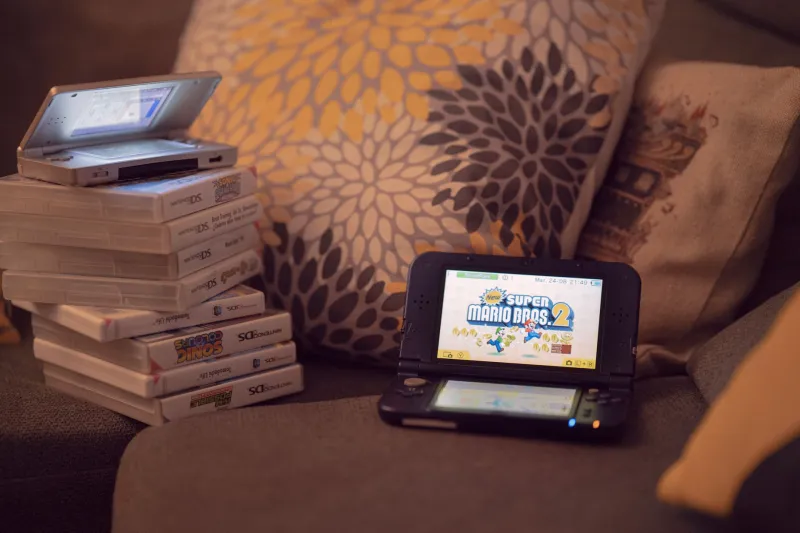
There's a specific kind of exhaustion that hits when a franchise you used to love announces its ninth entry. It's not quite anger. It's not indifference. It's something closer to resignation — the quiet recognition that you've been here before, that you know roughly what you're getting, and that the version of this series you fell in love with stopped existing several installments ago.
American gamers are feeling that exhaustion more acutely than ever in 2026. And for the first time, the data is starting to back up what the community has been saying for years.
The Pre-Order Slide
Pre-order numbers have long been the industry's most visible measure of franchise health. When players commit money before a game ships, they're expressing genuine confidence — or at least genuine hype. So when pre-order rates for established sequels start declining while overall gaming spending holds steady, that's a signal worth taking seriously.
Analyst firm Circana (formerly NPD) has tracked a consistent pattern across the last two years: major franchise sequels are converting a smaller percentage of their social media reach into day-one purchases compared to five years ago. The audience is aware. They're watching trailers. They're in the discourse. They're just not pulling out their credit cards at the same rate.
The franchises feeling this most acutely aren't necessarily the ones people expected. Sports titles — particularly NBA 2K and FIFA's successor EA Sports FC — have seen vocal annual backlash from their own core communities, with Reddit threads and YouTube comment sections filling up with players describing themselves as 'trapped' in a franchise they no longer enjoy but can't quit because their friends play it. That's not enthusiasm. That's inertia.
Action-adventure series that once commanded automatic pre-orders are now facing genuine scrutiny. When a sequel gets announced and the immediate community reaction is 'wait, didn't the last one underperform?' rather than excitement, something has shifted in the relationship between players and publishers.
The Financial Pressure That Creates the Problem
To understand why publishers keep greenlighting sequels that their own communities are ambivalent about, you have to understand the economics of AAA game development in 2026. Budgets have ballooned to the point where a major studio release can cost $200 million or more to develop and market. At that scale, the risk calculus becomes brutally conservative.
An original IP is a coin flip. You're asking players to trust an unfamiliar world, unfamiliar characters, and unfamiliar mechanics — and you're spending nine figures on that ask. A sequel to an established franchise is still a risk, but it's a known quantity. The brand has recognition. The marketing writes itself. The retailer relationships are already in place.
This is the trap. The financial logic that makes sequels feel safe is the same logic that's slowly poisoning the well. Every underwhelming entry in a franchise erodes the trust that made the original installments so commercially reliable. You're borrowing against goodwill you're not replenishing. And eventually, the account runs dry.
We've watched this play out in real time with several major series over the last decade. Franchises that were once guaranteed system-sellers are now question marks. The audience didn't abandon them overnight. They drifted, incrementally, as each new entry failed to justify the price of re-entry.
Social Media Sentiment and the Vibe Shift
Social listening data from platforms like X (formerly Twitter), Reddit, and TikTok tells a complementary story. Sentiment analysis around major franchise announcements has become measurably more skeptical over the last three years. Reveal trailer comment sections — once dominated by hype and nostalgia — are increasingly populated by 'I'll wait for reviews' and 'wake me up when it's on sale.'
This isn't just cynicism for its own sake. It's a learned response to a pattern. Players who pre-ordered Anthem, who bought Battlefield 2042 at launch, who paid full price for games that shipped broken or undercooked — those players are making rational decisions based on experience. The community's skepticism is the market correcting for years of overpromising and underdelivering.
TikTok's gaming discourse has accelerated this dynamic in ways that traditional gaming media hasn't fully grappled with. A 60-second video cataloging a franchise's declining review scores, dropping player counts, and broken promises can reach millions of viewers who weren't even looking for gaming content. The negative case against a sequel spreads faster and wider than any pre-order incentive campaign.
The Exceptions Prove the Rule
It's worth noting what's working, because franchise fatigue isn't universal — and the exceptions are instructive.
Franchises that have managed to sustain genuine enthusiasm in 2026 tend to share a few characteristics. They take meaningful creative risks between entries. They don't ship on an annual cadence. They treat each installment as a complete statement rather than a content delivery vehicle. And critically, they maintain a consistent relationship of honesty with their communities — when something is wrong, they say so, and they fix it.
The contrast between franchises that are thriving and those that are stagnating isn't really about quality in isolation. It's about trust. Players will forgive a lot if they believe the studio is genuinely trying. What they won't forgive is the sense that they're being managed — that the sequel exists because the spreadsheet said so, not because anyone had something new to say.
Is the Reckoning Coming?
Some analysts believe the industry is approaching an inflection point where the economics of franchise dependency will force a genuine reckoning. The argument goes like this: as subscription services like Game Pass normalize day-one access without premium pricing, the pre-order model becomes less viable. Players who aren't financially committed to a purchase are more willing to wait, read reviews, and make informed decisions. The safety net of franchise brand recognition gets thinner.
If that's true, then the studios best positioned for the next phase of the industry are the ones investing in original concepts now — building the franchises of the 2030s rather than milking the ones from the 2010s. There's some evidence this is already happening. Several mid-sized studios that pivoted away from sequel development toward original IP in the early 2020s are now seeing those bets pay off with critically acclaimed releases that punch well above their marketing budgets.
The market rewards novelty when novelty is done well. That's not a new insight. What's new is that the penalty for franchise fatigue is becoming severe enough that even the most risk-averse publishers are starting to feel it.
The Verdict
Franchise fatigue is real, it's measurable, and it's accelerating. The players who built these franchises into billion-dollar properties are the same players now expressing the loudest skepticism about where they're headed. That's not a coincidence — it's a consequence.
The good news is that the gaming industry has survived its own worst instincts before. The crash of 1983. The movie tie-in era. The loot box peak. Each time, the market eventually corrected, studios adapted, and something genuinely new emerged from the wreckage of what stopped working.
The question isn't whether franchise fatigue will force a change. It's whether publishers will recognize the signal before the audience stops showing up entirely — or whether, as has happened before, they'll need to feel the full weight of the crash before they start building something worth playing again.