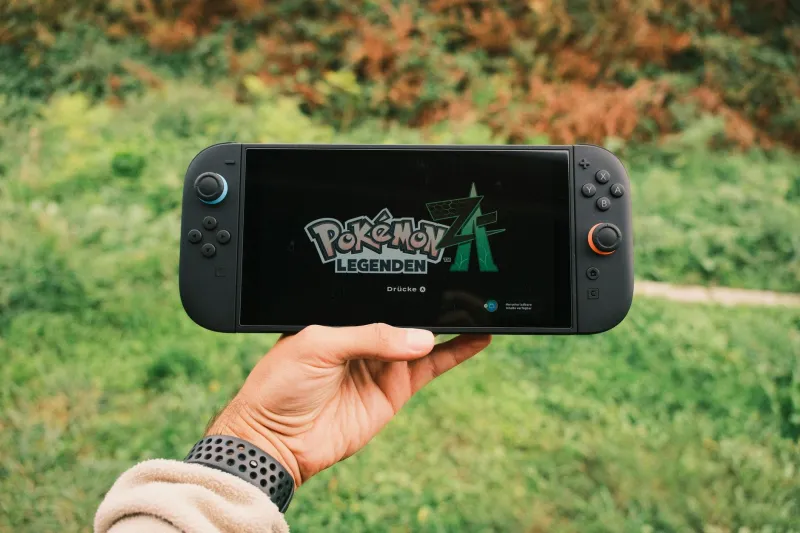
Lost Progress, Lost Trust: Why Game Save Systems Are Still Failing Players in 2026

It's a story that plays out every week somewhere in the gaming internet. A player posts a screenshot — sometimes a photo of a TV, sometimes a phone capture of a monitor — showing a corrupted save file, a wiped cloud backup, a progress sync that went sideways between platforms. The hours lost sit right there in the post: 140 hours. 200 hours. In one viral Reddit thread from earlier this year, a user reported losing a 340-hour Baldur's Gate 3 save after a botched cross-device sync. The replies filled up fast, and not with sympathy alone — with recognition. This happened to me too. It keeps happening to everyone.
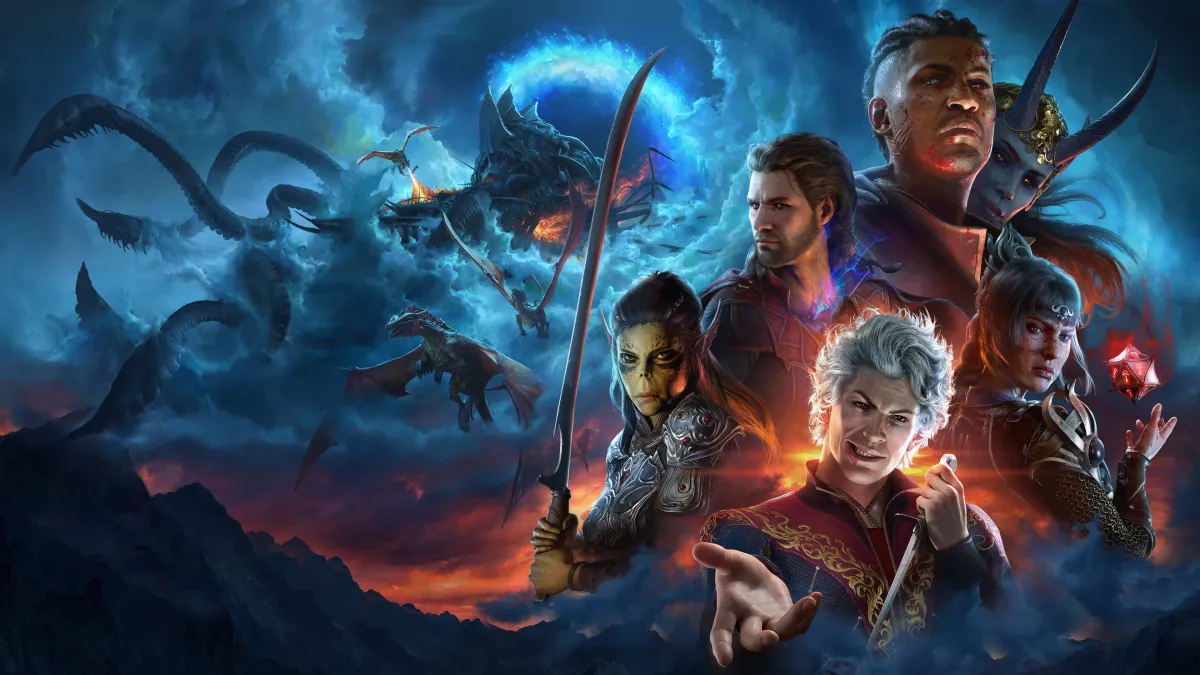 Photo: Baldur's Gate 3, via image.api.playstation.com
For a medium that has spent two decades promising players it has their back, gaming's relationship with save data remains one of its most quietly catastrophic failures. Cloud saves, cross-platform progress syncing, save file portability — these features were supposed to solve the problem permanently. Instead, in 2026, they've added new layers of complexity to an already fragile system, and the players paying the price are the ones who invest the most time.
The Promise That Never Quite Delivered
Cast your mind back to the pitch. Cloud saves arrived as a genuine revolution. No more losing your RPG progress because a cartridge battery died. No more starting over because your hard drive failed. Your saves would live in the cloud, safe and eternal, accessible from any device, on any platform, forever. It was one of the most consumer-friendly ideas the industry had produced in years.
The reality, predictably, got complicated. Cloud save implementations vary wildly between platforms, between publishers, and sometimes between individual games on the same platform. On PlayStation, cloud saves are gated behind a PS Plus subscription — let that lapse, and your backup access disappears. On Xbox, Game Pass cloud saves have historically been more reliable, but players switching between Game Pass and purchased copies of the same title have reported sync conflicts that overwrite newer progress with older data. Nintendo's cloud save situation remains, charitably, a work in progress — some titles don't support cloud backup at all, and the system offers no manual override when conflicts occur.
PC players, theoretically with more control over their own hardware, face a different maze. Steam Cloud is opt-in per developer, inconsistently implemented, and has a well-documented history of overwriting local saves with cloud versions during the brief window when a game launches. Third-party launchers add further fragmentation. A player who buys a game on Epic, then later on Steam, cannot transfer progress. A game that migrates from one launcher to another takes its save data nowhere.
The Business Case Against Fixing It
Here's the uncomfortable part: for platform holders, a certain amount of save system friction is not a bug. It's closer to a feature.
Locking cloud saves behind subscription tiers is a retention mechanism — one of the most effective in the industry. If your 200-hour save file lives on PlayStation's servers and only stays accessible while you pay for PS Plus, that's a powerful argument against canceling your subscription. The same logic applies to ecosystem lock-in more broadly. A save file that can't travel between PlayStation and Xbox isn't just a technical limitation. It's a wall. And walls, in the platform wars, have always been the point.
Publishers have their own incentives working against portability. A player who can carry their progress from one platform to another is a player who might leave your ecosystem. A player who has to start over is a player who might not bother — and a player who doesn't start over might just buy the game again on the new platform to get back to where they were. These aren't conspiracy theories. They're business models, operating quietly inside systems that players interact with every day without ever seeing the architecture underneath.
Real Costs, Real Players
The human cost of these failures tends to get minimized in industry conversations. Lost save data gets treated as a minor inconvenience, a technical edge case, something that happens to unlucky players who probably didn't back up properly. But the math on player time investment tells a different story.
The average completion time for a modern open-world RPG sits north of 80 hours. Live-service games are designed to absorb hundreds of hours across months or years. When a save corruption or sync failure hits a player at hour 150 of a game like Elden Ring or Final Fantasy XIV, the loss isn't just inconvenient. For many players — adults with limited gaming time, players managing health conditions, older players who game slowly and deliberately — it's genuinely devastating. Some don't come back. Not to the game, and sometimes not to gaming at all.
The mental health dimension here deserves more attention than it gets. Gaming communities talk openly about burnout and toxicity, but the specific grief of lost progress — the particular helplessness of watching hundreds of hours evaporate because of a system failure entirely outside your control — sits in its own uncomfortable category.
The Devs Actually Trying to Fix This
Not everyone is accepting the status quo. A small but growing number of developers are treating save system reliability as a first-class design priority, and their approaches are worth paying attention to.
On the indie side, several studios have implemented redundant local-and-cloud save architectures with automatic conflict resolution that favors the newer file — a simple fix that the major platforms have inexplicably failed to standardize. Others have built manual export tools directly into their games, letting players download a portable save file to store wherever they choose, independent of any platform's cloud infrastructure.
On the platform side, Valve has quietly improved Steam Cloud's conflict resolution in recent updates, adding a clearer UI that shows players exactly which save is newer before any overwrite occurs. It's not perfect, but it's movement. Xbox's cross-save implementation for first-party titles has become genuinely impressive — Forza Horizon 5's ability to carry progress seamlessly between Xbox console and PC remains one of the best examples of how this should work industry-wide.
 Photo: Forza Horizon 5, via gamingbolt.com
There's also a growing conversation in developer communities about open save standards — a proposed framework that would allow save data to travel across platforms in a standardized format, similar to how open document formats work in productivity software. It's early days, and platform holders have shown little appetite for something that would erode their ecosystem advantages. But the conversation is happening.
What Needs to Change
The fix isn't technically complex. The industry knows how to build reliable cloud sync — other software categories solved this problem years ago. What's missing is the will, and specifically the regulatory or competitive pressure to make reliability a priority over retention mechanics.
Players can push back in the meantime. Maintaining manual local backups, particularly for long-form games, remains the safest hedge against system failures. Checking whether a game supports cloud saves before investing serious time is worth doing. Reporting sync failures directly to platform holders — loudly, publicly, repeatedly — keeps the issue visible in a way that quiet frustration does not.
But the burden shouldn't sit with players. Save data is a record of time spent. In an era where gaming asks for more of that time than ever before, losing it to preventable system failures isn't a minor inconvenience. It's a broken promise — one the industry has been making and breaking for long enough that it's past time to actually fix it.
Until the platforms and publishers treat save reliability as a genuine obligation rather than a feature to monetize, the invisible spawn point — the one that's supposed to keep your progress safe — will keep disappearing at the worst possible moment.