The Esports Scholarship Bubble: Are Colleges Cashing In on Competitive Gaming — or Actually Building Careers?
The Gold Rush That Came With Controllers
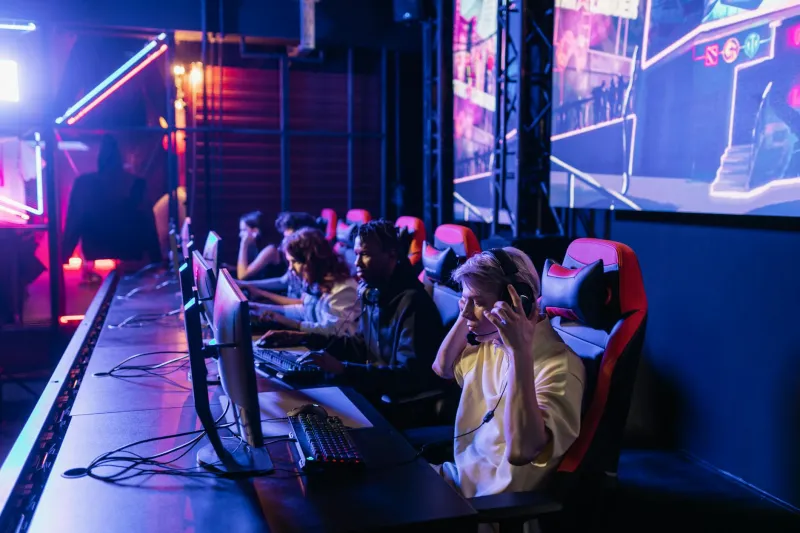
Walk into the Robert Morris University Illinois esports arena on any given Tuesday, and you'll find something that would have been unthinkable a decade ago: college students earning tuition money by playing video games. What started as a handful of experimental programs in 2014 has exploded into a nationwide phenomenon, with over 200 American colleges now offering esports scholarships totaling more than $16 million in annual aid.
But as the dust settles on this academic gold rush, a critical question emerges: are these programs actually building careers in competitive gaming, or are universities simply leveraging the popularity of esports to boost enrollment numbers and campus appeal?
The answer, as our investigation reveals, is far more complex than either the breathless promotion or cynical dismissal would suggest.
The Numbers Game
On paper, the growth looks spectacular. The National Association of Collegiate Esports (NACE) reports that member institutions have grown from 7 schools in 2016 to over 170 today, with scholarship awards ranging from partial tuition coverage to full rides worth $40,000+ annually. Schools like Full Sail University and University of California, Irvine have invested millions in dedicated gaming facilities that rival professional team training centers.
 Photo: University of California, Irvine, via lmnarchitects.com
"We're seeing kids who never would have considered college suddenly having a pathway to higher education," says Michael Brooks, esports director at Maryville University, whose program has distributed over $1.2 million in scholarships since 2015. "That's transformative."
But dig deeper into the placement data, and the picture becomes murkier. Of the estimated 3,000+ students currently on esports scholarships nationwide, fewer than 50 have transitioned directly into professional competitive gaming careers. Even fewer have landed traditional esports industry jobs immediately after graduation.
The Reality Check
Tyler Chen, a 2024 graduate from UC Irvine's esports program, represents both the promise and the limitations of these initiatives. A former Overwatch scholarship recipient, Chen earned his computer science degree while competing collegiately but now works as a software engineer at a tech startup — not exactly the esports career path his recruitment materials suggested.
"Don't get me wrong, the scholarship was life-changing," Chen explains. "But the idea that I'd graduate straight into Team Liquid or something? That was never realistic. Maybe 1% of college players have that level of skill."
Chen's experience highlights a fundamental disconnect between marketing and reality. While universities promote esports scholarships as pathways to professional gaming careers, the actual job market remains brutally competitive. The entire North American League of Legends Championship Series employs fewer than 60 professional players. Overwatch League, despite massive initial investment, contracted significantly in 2023.
Meanwhile, broader esports industry positions — in production, marketing, event management, and content creation — often require traditional business skills that many gaming-focused programs don't emphasize.
The Academic Angle
"We're not trying to create the next Faker," admits Dr. Sarah Martinez, who oversees esports programming at Arizona State University. "We're using competitive gaming as a vehicle to develop teamwork, communication, and strategic thinking skills while students pursue degrees in business, communications, or computer science."
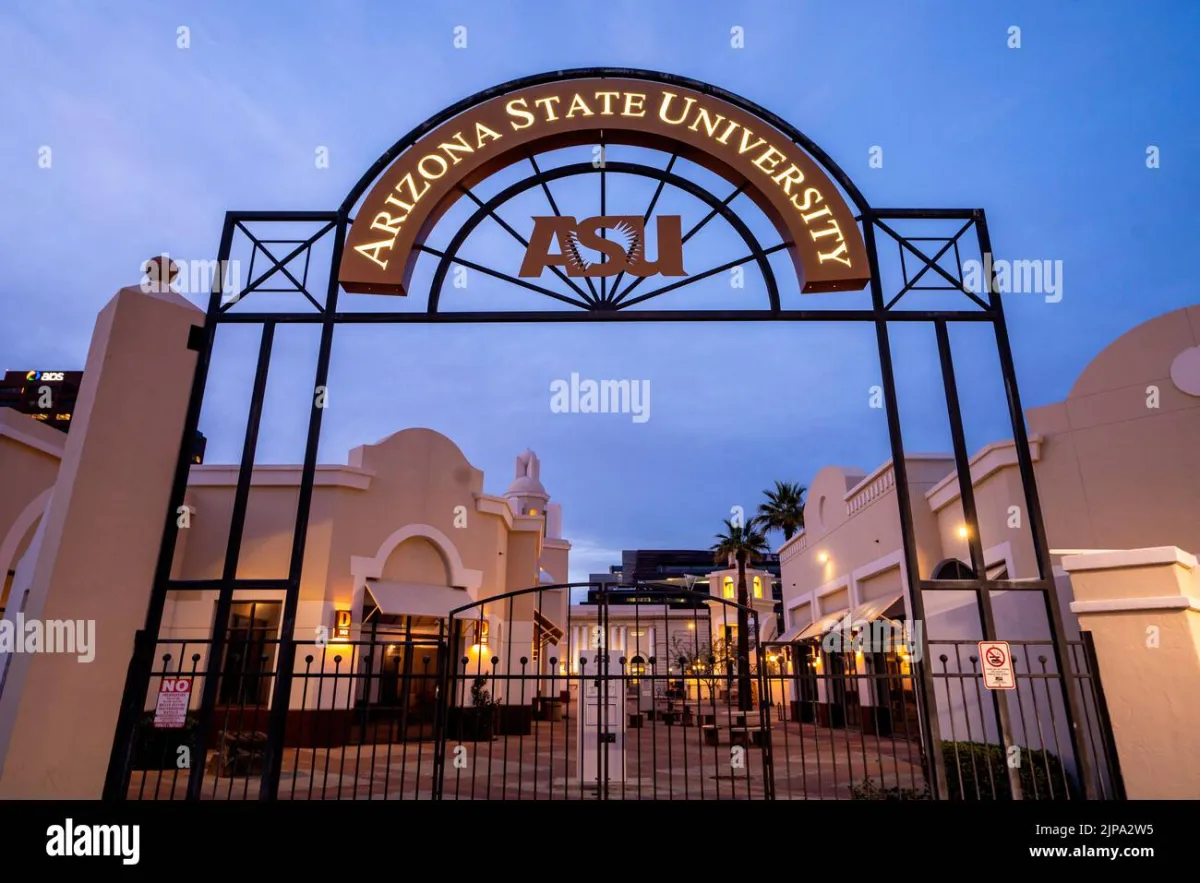 Photo: Arizona State University, via c8.alamy.com
This more modest framing appears to be where legitimate value exists. Students consistently report improved time management, leadership experience, and networking opportunities through collegiate esports. Several programs have pivoted toward this model, treating competitive gaming as an extracurricular activity that enhances traditional education rather than replacing it.
The most successful graduates we interviewed combined their gaming experience with practical skills. Maria Rodriguez, a 2025 graduate from Robert Morris, parlayed her collegiate Rocket League experience into a marketing coordinator role at HyperX by emphasizing her understanding of gaming culture and community management experience.
The Warning Signs
However, not all programs operate with such transparency. Our investigation uncovered several concerning practices among less scrupulous institutions:
Misleading job placement statistics that count any gaming-adjacent employment as "esports industry" success, including retail positions at GameStop or Twitch streaming with minimal viewership.
Scholarship bait-and-switch tactics where initial full-ride offers get reduced in subsequent years, leaving students with unexpected debt.
Academic neglect at programs that prioritize competitive performance over degree completion, resulting in players who neither achieve professional gaming success nor graduate with marketable skills.
One former scholarship recipient, who requested anonymity, described a program where students were expected to practice 40+ hours weekly while maintaining full course loads, with scholarship renewal tied primarily to tournament performance rather than academic progress.
The Industry Perspective
Esports industry hiring managers paint a realistic picture of what they're actually seeking. "We get hundreds of applications from college esports players who think their Diamond rank in Valorant qualifies them for our content team," says Jessica Park, talent acquisition director at FaZe Clan. "What we need are people who understand business fundamentals, can write, can edit video, or have marketing experience. The gaming knowledge is just a bonus."
This skills gap explains why many esports scholarship recipients struggle to transition into industry roles. While they've developed high-level gaming abilities, they often lack the complementary professional skills that esports companies actually need.
The Sustainable Model
The programs showing genuine success share several characteristics: they integrate esports with robust academic curricula, maintain transparent job placement data, and emphasize transferable skills over pure competitive achievement.
Boise State University's program exemplifies this approach. Students must maintain minimum GPAs, participate in internships with local tech companies, and complete capstone projects that demonstrate real-world application of their skills. Their graduates show significantly higher employment rates in desired fields compared to gaming-focused programs.
Looking Forward
As the esports scholarship landscape matures, expect increased scrutiny from accreditation bodies and student advocacy groups. Several states are considering legislation requiring colleges to provide verified employment outcome data for specialized programs like esports.
For prospective students, the key is approaching esports scholarships with realistic expectations. These programs can provide valuable educational funding and unique experiences, but they're not golden tickets to professional gaming careers.
The most successful approach? Treat competitive gaming as one component of a broader educational strategy, not the entire foundation of your career plans. In an industry where only the top 0.1% achieve professional gaming success, having a backup plan isn't pessimistic — it's smart.
The esports scholarship boom has democratized access to higher education for gaming-focused students, and that's genuinely valuable. But as this market continues evolving, the programs that survive and thrive will be those that promise realistic outcomes and deliver comprehensive education, not just controller skills.