Bought, Ignored, Forgotten: The Psychology Behind America's Massive Unfinished Game Problem
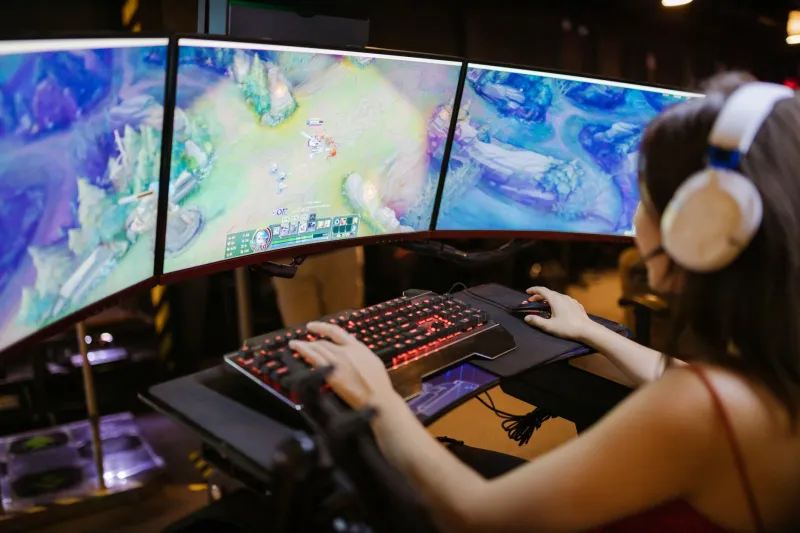
There's a folder on your console dashboard — or maybe a Steam library page — that you probably try not to think about too hard. It's full of games you bought with the best intentions, started with genuine excitement, and quietly abandoned somewhere around hour three, or hour twelve, or the moment life got in the way. You're not alone. According to data compiled by gaming analytics platforms and consumer research groups, approximately 73% of American gamers never finish the titles they purchase. That number isn't a rounding error. It's a portrait of an industry that has fundamentally lost the thread on how its audience actually plays.
The Numbers Don't Lie — But They Do Sting
Achievement tracking services like TrueAchievements and Steam's own completion rate data have been quietly documenting this reality for years. Blockbuster AAA titles regularly show completion rates in the low double digits, sometimes lower. A major open-world RPG might boast 80 hours of content and sell tens of millions of copies, but finishing the main story? That often sits somewhere between 15% and 25% of players, depending on the title. For games with platinum trophies or full completion requirements, the numbers crater even further.
What makes this particularly striking in 2026 is that the problem isn't getting better — it's accelerating. The average American adult has, depending on which survey you consult, somewhere between one and four hours of genuine leisure time per day after work, family obligations, and basic life maintenance. Gaming competes with streaming, social media, exercise, and actual human connection for that window. And yet the industry's response to this time crunch has largely been to make games longer.
The 100-Hour Trap
Somewhere in the mid-2010s, the perceived value proposition of a game became inseparable from its runtime. A 60-dollar game needed to feel worth 60 dollars, and the easiest way publishers convinced themselves — and consumers — of that value was sheer volume. More side quests. More collectibles. More procedurally generated content to pad the experience. More open world.
The irony is brutal: in trying to justify the price tag, developers created games that a majority of their audience would statistically never complete. The person who buys a 120-hour epic and finishes 18 hours of it hasn't gotten their money's worth by any honest measure — but the publisher already has the sale. There's a perverse incentive baked into that arrangement, and it's shaped an entire generation of game design philosophy around acquisition rather than completion.
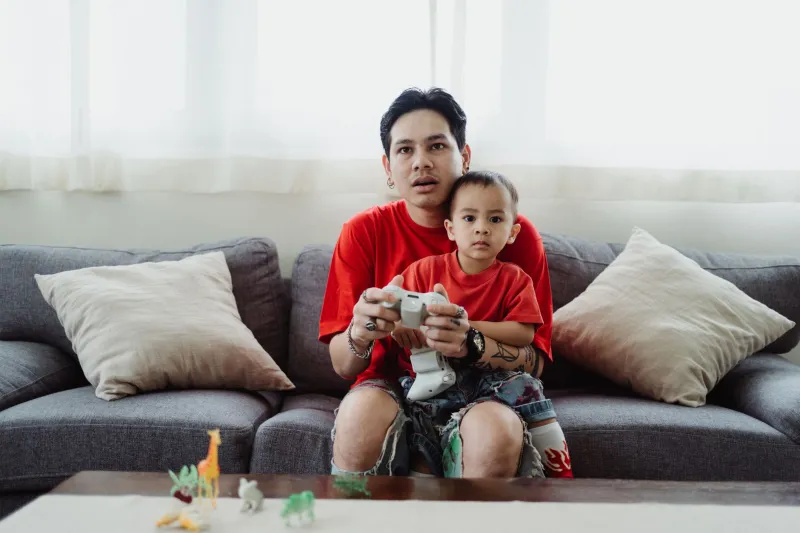
Design consultant and former Ubisoft developer Mathieu Lapointe (speaking at GDC 2025) described the tension plainly: the people greenlighting scope are often not the same people who go home to a toddler and 45 minutes of gaming before bed. That disconnect has real consequences for the shape of modern games.
Subscription Services: Helpful Tool or Completion Killer?
Game Pass, PlayStation Plus, and their competitors were sold to consumers as a gift — all these games, one monthly fee, play whatever you want. And in many ways, they delivered on that promise. But there's a darker side effect that's increasingly hard to ignore.
When you've paid full price for a game, there's psychological pressure to engage with it seriously. You made an investment. Subscription services dissolve that pressure entirely. Why grind through the slow middle section of a 40-hour RPG when the catalog has 400 other options? Why push through a frustrating boss fight when you can just boot up something new? The sunk cost fallacy, annoying as it is, actually kept people playing games longer than they might otherwise. Remove the financial stake and you remove one of the few psychological anchors that encouraged completion.
Analysts have noted that average session depths on subscription platforms trend shorter than on purchased titles. Players sample more, commit less. That's great for discovery and for keeping subscribers happy month to month — but it quietly reinforces a culture of perpetual incompletion. The backlog doesn't shrink. It just moves to a different service.
What This Says About Us — And About the Industry
It would be easy to frame the 73% figure as a consumer failure. People don't finish what they start. Attention spans are shorter. The dopamine economy is winning. But that framing lets the industry off too easy.
Games are, in many cases, designed with a mythological player in mind — someone with unlimited time, no competing obligations, and the patience to tolerate 20 hours of setup before the narrative pays off. That player exists, but they're a minority. The majority of American gamers are adults juggling real lives, and the industry has been slow to acknowledge that its design language was built for a demographic that has aged, diversified, and changed.
The studios that have started to respond to this reality are doing something interesting: they're building shorter, denser, more intentional experiences. Games in the 8-to-15-hour range, designed to be completed in a week of normal adult gaming sessions, have quietly been some of the most critically acclaimed titles of the past few years. Players finish them. They talk about them. They remember them. The completion rate isn't just a vanity metric — it's a measure of whether the experience actually landed.
The Respawn Point
None of this means long games are inherently bad, or that open worlds are a mistake. It means the industry needs to be honest about who it's making games for and why. Padding runtime to justify a price point is not the same as building a rich world worth exploring. A 100-hour game that earns every one of those hours is a different animal entirely from a 100-hour game that's 60 hours of content stretched thin.
The backlog graveyard isn't going anywhere. But the conversation around it is finally starting to shift. Players are increasingly vocal about valuing their time, and a growing chorus of developers is listening. Whether publishers — with their quarterly targets and their franchise roadmaps — can adapt their thinking fast enough is the real question.
For now, that folder of unfinished games sits there, a monument to good intentions and a release calendar that never stops moving. Maybe it's time the industry started building games that actually let you leave.