
The gaming industry in 2026 finds itself caught in a peculiar paradox. While original IPs struggle to find their footing in an increasingly crowded marketplace, remakes of classic titles are dominating release calendars and pre-order charts. From Capcom's continued Resident Evil reimaginings to Square Enix's ambitious Final Fantasy VII trilogy, the remake machine shows no signs of slowing down. But as these projects multiply, a critical question emerges: when does honoring the past become a creative prison?
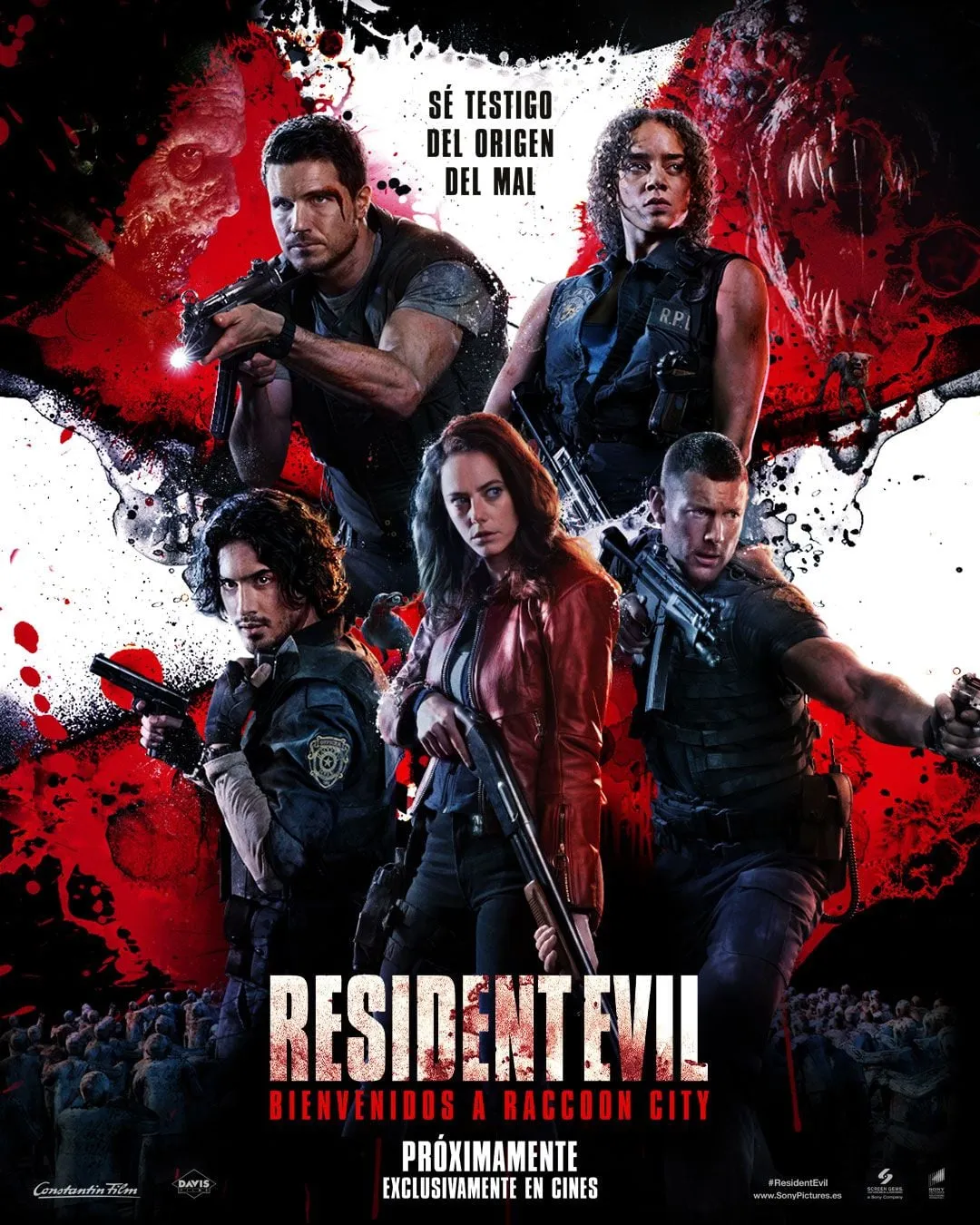 Photo: Resident Evil, via es.web.img3.acsta.net
The Goldilocks Problem of Game Remakes
Every remake developer faces what industry insiders have dubbed the "Goldilocks Problem" — finding the perfect balance between preservation and innovation. Change too little, and you're accused of lazy cash-grabbing. Change too much, and you've betrayed the sacred trust of longtime fans. It's a no-win scenario that's become increasingly complex as gaming's first generation of players reaches middle age with disposable income and strong opinions.
The challenge is perhaps best illustrated by the polarized reactions to recent high-profile remakes. While some titles like Demon's Souls and Tony Hawk's Pro Skater 1 + 2 achieved critical and commercial success by threading this needle perfectly, others have stumbled spectacularly. The backlash against certain artistic choices in remakes has become so predictable that developers now factor "fan rage cycles" into their marketing timelines.
 Photo: Tony Hawk's Pro Skater 1 + 2, via tradezone.sg
"We're essentially performing surgery on someone's childhood," explains Sarah Chen, a veteran game designer who worked on three major remakes in the past five years. "Every texture, every sound effect, every animation tweak gets scrutinized by people who've played these games for decades. The pressure is unlike anything else in game development."
The Economics of Nostalgia
From a business perspective, the remake boom makes perfect sense. Established IP carries built-in recognition and reduced marketing costs compared to original properties. Publishers can leverage existing fanbases while attracting new players who missed the original releases. The financial success of recent remakes has created a feedback loop where publishers increasingly view their back catalogs as untapped goldmines rather than museum pieces.
However, this economic reality creates its own set of problems. When remakes consistently outperform original games at retail, it sends a clear message to publishers about where to allocate resources. The concern among industry veterans is that we're approaching a creative dead end where risk-averse publishers prioritize safe nostalgia plays over innovative new experiences.
"The irony is that many of these classic games we're remaking were themselves revolutionary for their time," notes Marcus Rodriguez, a game historian and critic. "By constantly looking backward, we risk losing the very spirit of innovation that made these titles worth preserving in the first place."
The Purist vs. Modernist Divide
The remake debate has effectively split gaming communities into two camps: purists who demand pixel-perfect recreation of their memories, and modernists who argue that true respect for classic games means updating them for contemporary audiences. This divide plays out differently across genres and franchises, creating unique challenges for each remake project.
Purists argue that excessive modernization strips away the very elements that made original games special. They point to examples where quality-of-life improvements have fundamentally altered game balance or where updated graphics have lost the distinctive art direction of the originals. For this group, a remake should be a museum-quality restoration, not a reimagining.
Modernists counter that blind adherence to outdated design conventions does a disservice to both new players and the original developers' intentions. They argue that truly honoring a classic game means preserving its core vision while adapting its execution to modern standards. From this perspective, the best remakes capture the spirit of the original while fixing its technical limitations and design flaws.
Case Studies in Remake Philosophy
The Final Fantasy VII Remake serves as perhaps the most ambitious example of the modernist approach. By expanding the original's opening hours into a full game and introducing significant story changes, Square Enix chose innovation over preservation. The result was commercial success but fierce debate about whether the final product could even be called a remake.
Conversely, the recent wave of Resident Evil remakes has taken a more conservative approach, updating graphics and controls while preserving core gameplay loops and story beats. This strategy has generally pleased both critics and fans, but some argue it represents a missed opportunity to meaningfully improve upon the originals.
The Innovation Trap
Perhaps the most troubling aspect of the remake phenomenon is how it may be stifling genuine innovation. When publishers see consistent returns on nostalgic properties, the incentive to fund experimental new games diminishes. This creates a cultural feedback loop where gaming becomes increasingly obsessed with its own past.
The concern extends beyond individual companies to the industry as a whole. If the most talented developers are spending their careers recreating games from the 1990s and 2000s, who's creating the classics of tomorrow? The risk is that gaming culture becomes so focused on perfecting its past that it forgets to imagine its future.
Finding the Middle Path
Despite these challenges, some developers are finding ways to honor classic games while pushing the medium forward. The key seems to lie in understanding what made the original special beyond surface-level mechanics or aesthetics. The most successful remakes identify the core emotional experience of the original and find new ways to deliver that feeling to modern audiences.
This approach requires developers to think like archaeologists and artists simultaneously — carefully excavating the essential elements of classic games while having the creative courage to rebuild them from the ground up. It's a difficult balance, but when achieved, it can result in remakes that feel both faithful and fresh.
The Path Forward
As we look toward the rest of 2026 and beyond, the remake trend shows no signs of slowing. If anything, advances in AI-assisted development and procedural generation tools may make remakes even more economically attractive. The question isn't whether remakes will continue, but whether the industry can find ways to pursue them without sacrificing its innovative spirit.
The solution may lie in treating remakes as a specific art form with its own rules and expectations, rather than simply viewing them as updated versions of old games. Just as film adaptations of books are judged by different criteria than their source material, game remakes need their own critical framework that accounts for the unique challenges and opportunities they present.
Ultimately, the remake reckoning isn't just about individual games or studios — it's about what kind of creative culture the gaming industry wants to cultivate. The choice between faith and innovation doesn't have to be binary, but finding that balance requires acknowledging that sometimes the most respectful way to honor the past is to build something entirely new.