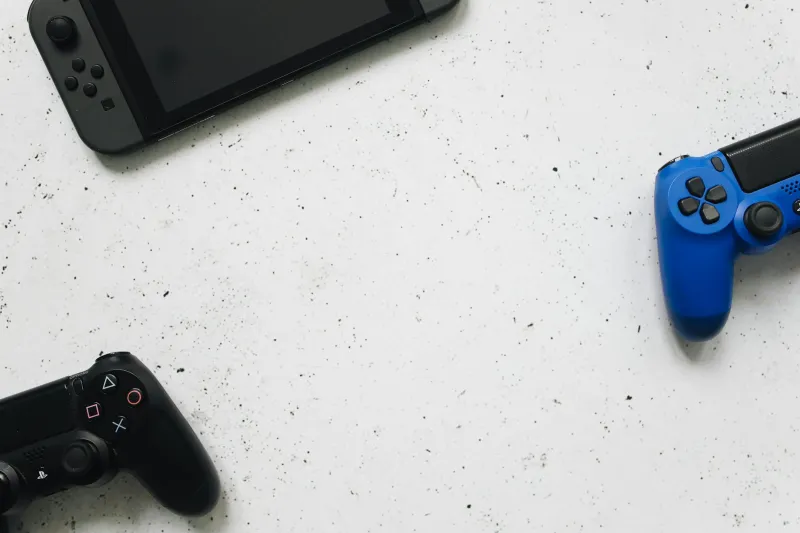
The writing was on the wall when The Last of Us Part III launched simultaneously on PlayStation 5, Xbox Series X, and PC in March 2026. What once would have been unthinkable — Sony's flagship franchise abandoning platform exclusivity — barely registered as news. By then, we'd already seen Halo Infinite's sequel hit PlayStation Game Pass, God of War Ragnarök arrive on Xbox day-one, and Nintendo's Mario Kart 9 speed onto Steam within six months of its Switch debut.
The platform exclusivity wars that defined console gaming for three decades haven't ended with a bang. They've whimpered to a close, leaving behind a landscape where the very concept of a "console exclusive" feels as antiquated as dial-up internet.
The Great Surrender
The shift didn't happen overnight, but 2026 has accelerated what industry insiders now call "the great surrender." Microsoft fired the first major shot in 2024 when it brought Starfield to PlayStation after just eight months of Xbox exclusivity. Sony retaliated by putting Spider-Man 2 on Game Pass six months later. Nintendo, long the holdout, finally cracked when Tears of the Kingdom's successor launched on PC Game Pass day-one alongside its Switch release.
"The math just doesn't work anymore," explains industry analyst Sarah Chen of GameIntel Research. "These AAA games cost $200-300 million to develop. You can't recoup that on a single platform's install base, not when you're competing with free-to-play games for player attention."
 Photo: Sarah Chen, via images.prestigeonline.com
The numbers support her assessment. The Last of Us Part III sold 4.2 million copies in its first week across all platforms — compared to the 3.4 million that Part II managed as a PlayStation exclusive over the same timeframe, despite the PS5's larger install base.
The Identity Crisis
But if exclusives aren't selling systems anymore, what is? The answer seems to be services, subscriptions, and ecosystem lock-in rather than individual games. PlayStation's advantage now lies in its superior DualSense controller haptics and 3D audio processing. Xbox banks on Game Pass's value proposition and cloud streaming capabilities. Nintendo still commands the handheld market, though Steam Deck and its successors are chipping away at that monopoly.
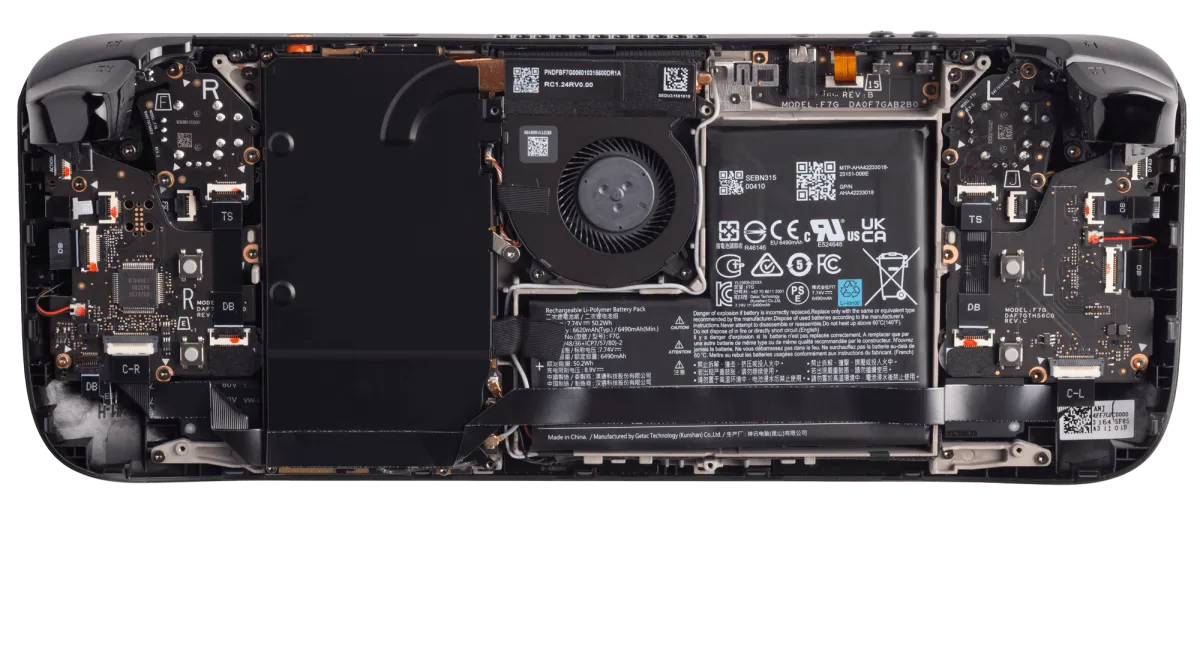 Photo: Steam Deck, via cdn.cloudflare.steamstatic.com
"Console manufacturers have become hardware platforms competing on features, not content," says former PlayStation executive Mark Cerny in a recent interview with Edge magazine. "It's closer to the smartphone model now — iOS versus Android competing on user experience, not exclusive apps."
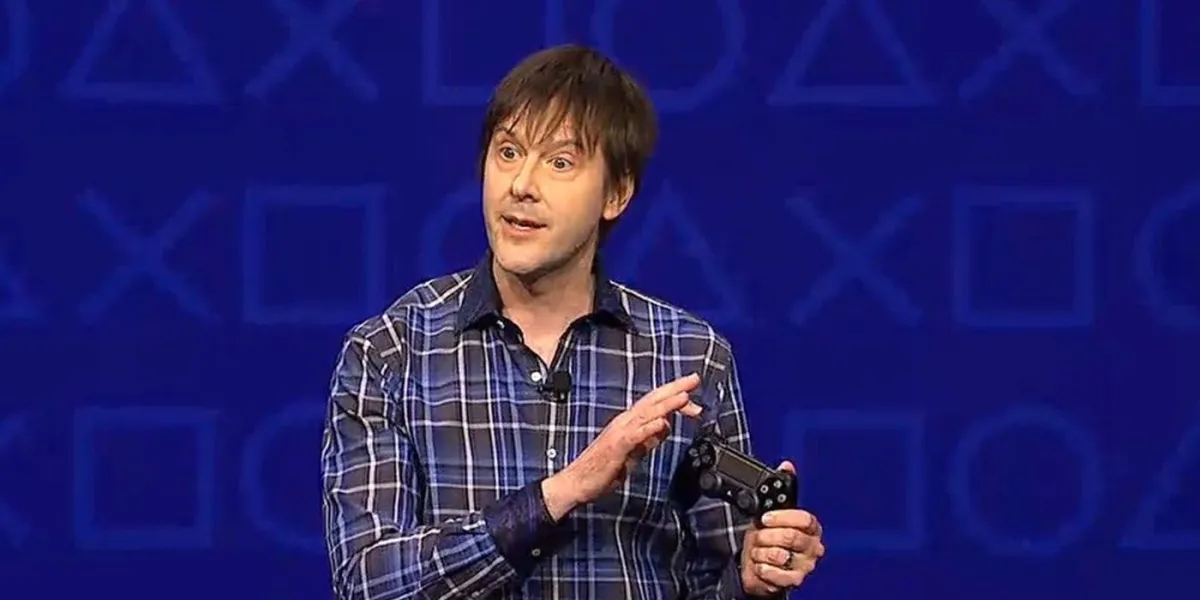 Photo: Mark Cerny, via static1.srcdn.com
This shift has created an unexpected winner: PC gaming. With exclusives evaporating, Steam and Epic Games Store have become the neutral ground where all console games eventually land. Valve's Steam Deck capitalized on this trend perfectly, offering console-like convenience with PC's content library breadth.
The New Exclusivity
Exclusives haven't disappeared entirely — they've just evolved into something more cynical. Instead of permanent platform exclusivity, we now see timed exclusivity windows that feel more like elaborate marketing campaigns. Forza Horizon 6 launches on Xbox first, hits PlayStation six months later, then arrives on Nintendo's next-gen system a year after that. Each launch gets its own marketing push, its own review cycle, its own moment in the spotlight.
Some publishers have embraced "feature exclusivity" instead. Call of Duty: Modern Warfare IV launches on all platforms simultaneously, but PlayStation gets exclusive access to certain multiplayer modes for the first month. Xbox players get early access to the campaign. PC players get enhanced ray tracing features. Everyone gets something, nobody gets everything.
"It's exclusivity theater," argues GameSpot's senior editor David Rodriguez. "Publishers want the marketing benefits of exclusivity without actually limiting their audience. It's having your cake and eating it too."
The Consumer Paradox
For consumers, the death of exclusives should be unequivocally good news. More choice, more competition, more ways to play the games you want. Yet the response has been surprisingly mixed. Console gaming forums buzz with complaints about "losing console identity" and "everything being the same now."
The phenomenon reflects a deeper truth about gaming culture: exclusives weren't just about access to games, they were about tribal identity. Owning a PlayStation meant you were part of the PlayStation family, with its own aesthetic, its own values, its own exclusive experiences that outsiders couldn't access.
"Console wars were stupid, but they gave each platform a distinct personality," writes Reddit user u/GameCollector2026 in a post that garnered 15,000 upvotes. "Now Xbox, PlayStation, and Nintendo all feel like different flavors of the same thing."
What Comes Next
The post-exclusive era is still taking shape, but early trends suggest console manufacturers are pivoting toward new forms of differentiation. Sony's investing heavily in VR exclusives for PlayStation VR3. Microsoft's betting on cloud gaming integration that works seamlessly across devices. Nintendo's rumored next-gen system supposedly features AR capabilities that can't be replicated on other platforms.
"Hardware exclusivity is replacing software exclusivity," predicts Chen. "Instead of exclusive games, we'll see exclusive features that can only work on specific hardware."
Meanwhile, subscription services are becoming the new battleground. Game Pass, PlayStation Plus, and Nintendo Switch Online are competing not just on game libraries, but on exclusive perks, early access windows, and integrated social features.
The platform exclusivity wars may be over, but they've been replaced by something more complex and arguably more consumer-friendly: competition on value, features, and user experience rather than artificial content scarcity.
The Final Verdict
In the end, the death of exclusives represents gaming's maturation as a medium. Like how movies aren't exclusive to specific TV brands or music isn't locked to particular stereo manufacturers, games are finally becoming platform-agnostic entertainment. The transition has been messy, identity-crushing, and occasionally cynical — but it's probably for the best.
The platform exclusivity wars are over, and while nobody won, everybody gets to play.