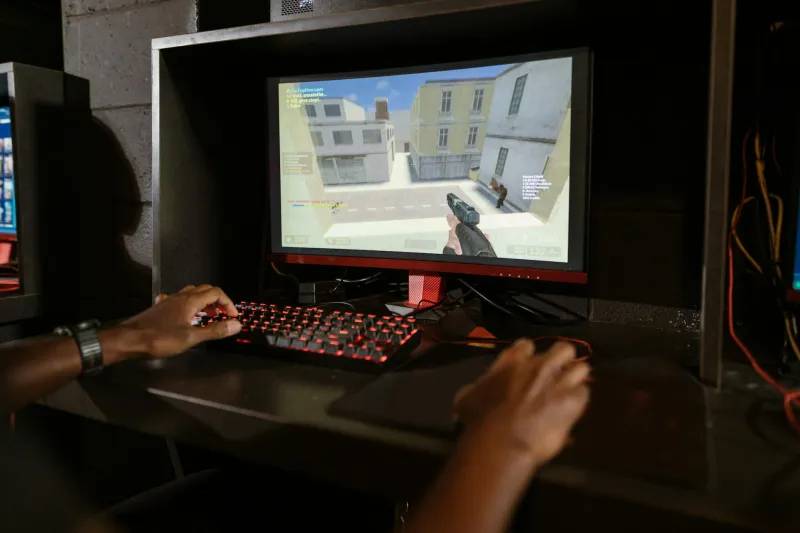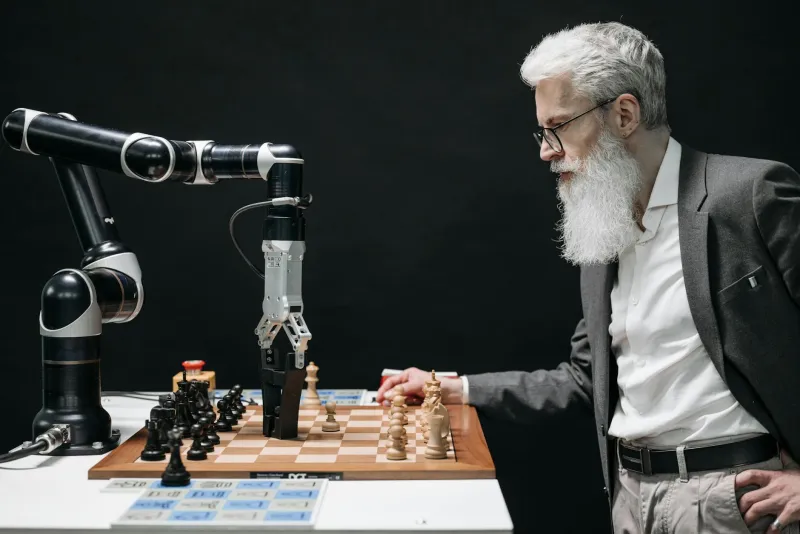
Remember when the most memorable thing about an NPC was their broken pathfinding or that one line they'd repeat ad nauseam? Those days are rapidly becoming gaming history. In 2026, we're witnessing what developers are calling "The NPC Renaissance" — a fundamental shift where background characters are evolving from static quest dispensers into dynamic, memory-driven personalities that can surprise even their creators.
The transformation isn't just about better dialogue trees or more sophisticated animations. We're talking about NPCs that remember your previous conversations, form opinions about your actions, and develop their own goals that may or may not align with yours. It's a seismic shift that's making some players wonder: when did the side characters become more interesting than the protagonist?
Beyond the Script: How Modern NPCs Think
Traditional NPCs operate on predetermined scripts — they say their lines, offer their quests, and reset to their default state. But 2026's AI-driven characters are fundamentally different. They're built on what developers call "persistent personality engines" — systems that track every interaction, maintain emotional states, and generate responses based on accumulated experiences.
Take the upcoming fantasy RPG "Echoes of Eternity," where NPCs don't just remember if you completed their quest — they remember how you completed it, what you said during the process, and how that reflects on your character. Help a merchant recover stolen goods by negotiating rather than fighting, and they'll remember you as someone who values diplomacy. Return weeks later, and they might approach you first with a delicate situation requiring a smooth talker.
"We're not just creating characters anymore," explains Sarah Chen, Lead AI Designer at Infinite Worlds Studio. "We're creating digital people with their own motivations, fears, and growth arcs. Sometimes they surprise us with their responses during testing — that's when we know we've hit something special."
The Memory Palace Problem
This evolution comes with unique challenges that developers are still figuring out. How do you create NPCs that feel alive without making them unpredictable to the point of breaking quest logic? How do you balance personality with functionality?
The answer lies in what Chen calls "controlled spontaneity." NPCs operate within defined personality parameters but can express those traits in countless ways. A cowardly guard will always be fundamentally cowardly, but the specific way they express that fear — whether through nervous jokes, excessive rule-following, or desperate bravado — emerges from their AI-driven personality system.
Memory management presents another fascinating puzzle. Unlike human memory, which naturally fades and distorts over time, NPC memory systems could theoretically retain perfect recall of every interaction. Developers are deliberately introducing "memory decay" and "emotional weighting" to make NPC recollections feel more human.
"If an NPC remembers every mundane conversation with perfect clarity, it feels robotic," notes Dr. Marcus Webb, who studies AI behavior at Stanford. "But if they remember the emotionally significant moments more vividly while fuzzy details fade, suddenly they feel authentic."
When the Supporting Cast Steals the Show
Perhaps the most intriguing consequence of advanced NPC AI is how it's shifting player attention. In traditional games, NPCs exist to serve the player's story. But when NPCs have their own compelling arcs and genuine personality quirks, they can become more engaging than the scripted main narrative.
Playtesters for "Chronicles of New Avalon" report spending hours in conversation with a particular tavern keeper who gradually reveals a complex backstory about their lost love — not because it's required for progression, but because the character feels genuinely worth knowing. Some players have created elaborate strategies to influence specific NPCs' character development, treating them like digital friends rather than game mechanics.
This shift is creating new design challenges. How do you maintain narrative focus when players become deeply invested in side characters? How do you prevent the main story from feeling shallow compared to the rich personalities surrounding it?
The Uncanny Valley of Personality
Not every experiment succeeds. Early builds of several 2026 titles have struggled with what developers call "personality uncanny valley" — NPCs that are almost convincingly human but fall short in ways that feel deeply unsettling.
"When an NPC is too perfect at mimicking human conversation patterns, players start feeling manipulated," explains Chen. "There's a sweet spot where they feel authentic without feeling artificial. Finding that balance is more art than science."
Some players report feeling genuine guilt when disappointing AI characters who seem to have real emotional stakes in the outcome. Others describe forming attachments to NPCs that feel uncomfortably real. It's raising questions about the psychological impact of increasingly lifelike digital relationships.
The Technical Revolution Behind the Curtain
This NPC evolution is powered by massive advances in natural language processing and behavioral modeling. Modern NPCs run on neural networks trained on thousands of hours of human conversation data, allowing them to generate contextually appropriate responses in real-time.
The processing power required is substantial — some estimates suggest that advanced NPC AI systems consume as much computational resources as entire games did just five years ago. But developers argue the investment is worth it for the emergent storytelling possibilities.
"We're not just making better NPCs," says Chen. "We're creating the foundation for entirely new types of interactive narratives. When every character in your world has the potential to surprise you, the possibilities become endless."
Looking Forward: The Post-Script Future
As we move deeper into 2026, the implications extend far beyond gaming. These AI personality systems are being adapted for virtual assistants, educational software, and therapeutic applications. The techniques pioneered in making digital tavern keepers feel human are finding applications in making all our digital interactions more natural.
For gamers, the promise is clear: worlds populated not with quest-dispensing robots, but with digital beings that feel worth knowing. Whether that's exciting or slightly terrifying probably depends on how comfortable you are with the idea that your favorite video game character might actually miss you when you're not playing.
The NPC awakening is here, and it's changing not just how we play games, but how we think about the line between artificial and authentic. In a world where background characters are becoming the most interesting people in the room, the real question isn't whether AI can make convincing NPCs — it's whether we're ready for the stories they want to tell.