
The Multiplayer Graveyard: Why Your Favorite Online Games Keep Getting the Servers Pulled — and What's Being Done to Stop It
Imagine spending hundreds of hours building your perfect character, forming lasting friendships with guild mates, and mastering every map in your favorite online shooter — only to wake up one day and find the servers permanently offline. Your $60 purchase? Now a digital paperweight. Your memories? Locked away forever.
This nightmare scenario is playing out with increasing frequency across the gaming industry. In 2024 alone, we witnessed the shutdowns of Knockout City, Rumbleverse, MultiVersus (temporarily), and dozens of mobile titles. The trend has only accelerated in 2026, with major publishers treating online game closures as routine business decisions rather than the digital vandalism many players see them as.
The Economics of Digital Death
The math behind server shutdowns is brutally simple. When a multiplayer game's revenue drops below the cost of maintaining servers, publishers face a stark choice: continue hemorrhaging money or pull the plug. Unlike single-player titles that can exist indefinitely once purchased, online games require constant investment in server infrastructure, security updates, and customer support.
"Publishers view these games as services, not products," explains Ross Scott, creator of the Stop Killing Games campaign. "The problem is they sell them like products — with a one-time purchase price — but then treat them like rentals when it comes to longevity."
 Photo: Ross Scott, via yt3.googleusercontent.com
The financial pressure is real. Server costs for a game with even a modest player base can run into millions annually when factoring in bandwidth, data centers, and technical staff. For publicly traded companies answerable to shareholders, keeping the lights on for a few thousand dedicated fans rarely makes economic sense.
But this cold calculus ignores the human cost. Players aren't just losing access to software they purchased; they're losing digital communities, creative works, and sometimes years of progress. It's equivalent to a bookstore burning down your personal library because the building wasn't profitable enough.
When Digital Becomes Disposable
The server shutdown crisis represents a fundamental shift in how we think about game ownership. Previous console generations offered the comfort of physical media — even if a publisher went bankrupt, your cartridge or disc would work forever. Online-dependent games shatter this assumption.
Consider LawBreakers, Cliff Bleszinski's gravity-defying shooter that lasted barely a year before its servers went dark in 2018. Players who paid $30 for the game received no refund, no offline mode, and no way to preserve their investment. The game simply ceased to exist.
 Photo: Cliff Bleszinski, via static.wikia.nocookie.net
More recently, the shutdown of Babylon's Fall after just one year highlighted how even established developers aren't immune. Square Enix's action-RPG represented a significant investment from both the publisher and players, yet it vanished from existence when player counts dropped below viability thresholds.
The problem extends beyond obvious commercial failures. Even successful games aren't safe if they don't meet publisher expectations. Knockout City maintained a passionate community of thousands before EA decided those numbers weren't sufficient to justify continued operation.
The Preservation Underground
Where publishers abandon their digital offspring, dedicated fans step into the breach. Private servers have become the last line of defense against gaming's digital amnesia, with communities reverse-engineering server architecture to keep beloved games alive.
The most famous success story remains World of Warcraft Classic. Years of fan-operated vanilla servers like Nostalrius proved sustained demand for Blizzard's original vision, eventually pressuring the company to launch official legacy servers. But for every Nostalrius, dozens of preservation projects operate in legal gray areas.
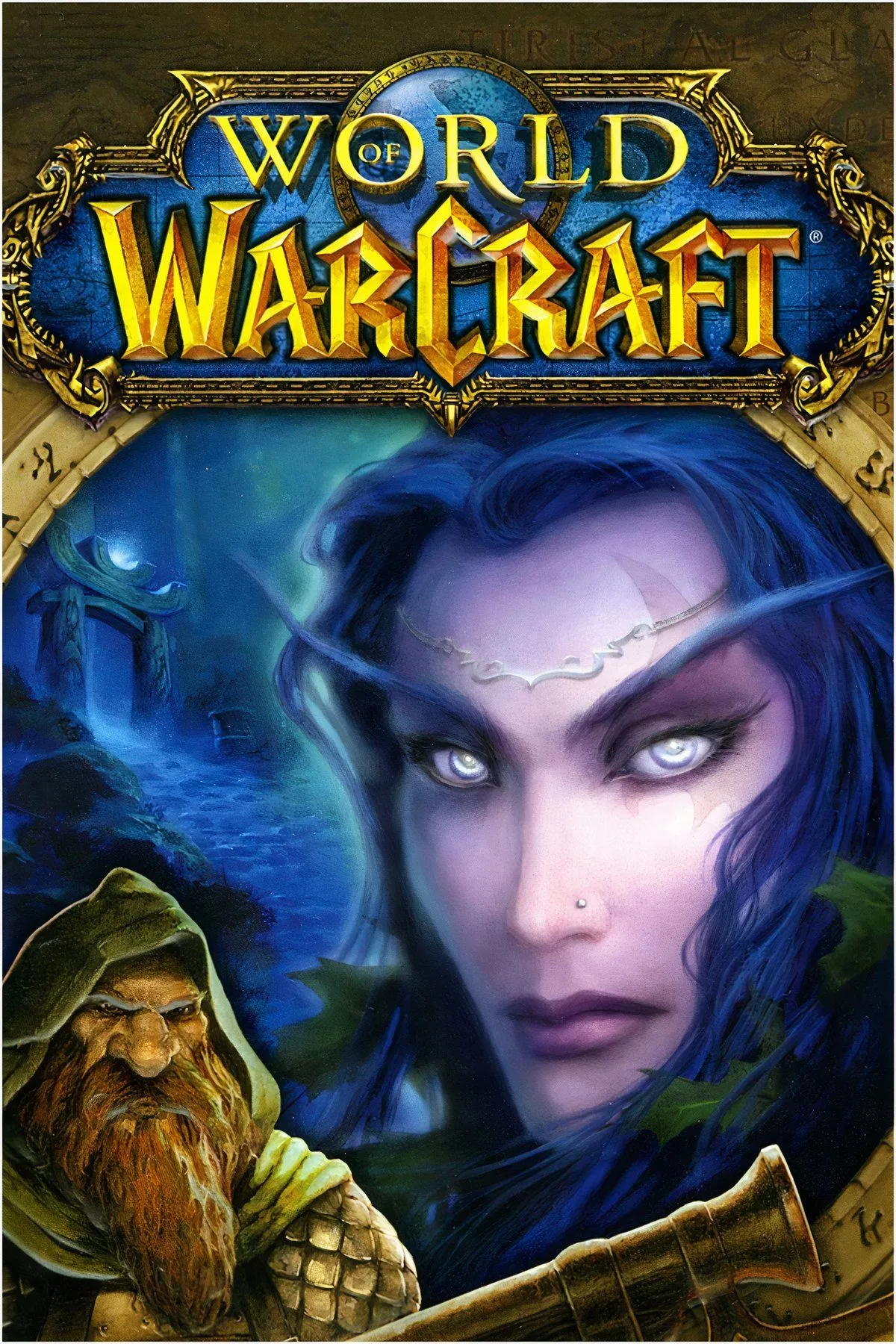 Photo: World of Warcraft Classic, via static0.gamerantimages.com
City of Heroes exemplifies both the potential and perils of community preservation. After NCsoft shuttered the superhero MMO in 2012, fans spent years unsuccessfully petitioning for its return. Then in 2019, it emerged that a group had been secretly operating private servers using leaked source code. The revelation sparked controversy within the community but ultimately led to official licensing agreements that allow multiple fan-operated servers to thrive.
These grassroots efforts face significant challenges. Reverse-engineering server code requires specialized technical knowledge, making preservation dependent on volunteer developers with day jobs. Legal threats from publishers can shut down projects overnight, while hosting costs often exceed what small communities can sustainably fund.
The Stop Killing Games Movement
Frustration with server shutdowns has coalesced into organized resistance. The Stop Killing Games campaign, launched by filmmaker and Freeman's Mind creator Ross Scott, aims to establish legal protections for consumers who purchase online-dependent games.
The campaign's core argument is deceptively simple: if publishers sell games as products rather than clearly labeled services, they should be required to provide some form of continued functionality when official support ends. This might mean releasing server software to the community, providing offline modes, or simply being more transparent about a game's expected lifespan.
"We're not asking for eternal server support," Scott clarifies. "We're asking for reasonable end-of-life planning that respects consumer investments."
The movement has gained traction in Europe, where stronger consumer protection laws provide more fertile ground for reform. The European Union's recent investigations into digital ownership rights suggest regulatory appetite for addressing the server shutdown problem.
In the United States, the campaign faces steeper regulatory hurdles. American consumer protection laws generally favor corporate flexibility over buyer protections, and the gaming industry's powerful lobbying presence complicates reform efforts. However, growing bipartisan concern about Big Tech's treatment of consumers could create openings for gaming-specific legislation.
Industry Resistance and Rare Exceptions
Unsurprisingly, major publishers resist calls for shutdown regulations. Industry trade groups argue that mandating server preservation would stifle innovation, increase development costs, and complicate licensing agreements for third-party technologies.
Some concerns carry weight. Requiring offline functionality for every online game could indeed increase development complexity, particularly for titles built around persistent server-side progression systems. The technical challenges of converting a server-dependent game to standalone operation aren't trivial.
However, a few publishers have demonstrated that consumer-friendly shutdown policies are possible. When Darkspore faced closure, EA provided advance warning and partial refunds. More impressively, when Radical Heights shut down, Boss Key Productions released the game's assets to the community for free.
These examples prove that respectful game closures are feasible when publishers prioritize player welfare over legal minimalism. The question is whether market pressure or regulation will be necessary to make such practices standard.
The Path Forward
The server shutdown crisis won't resolve itself through market forces alone. Publishers have little financial incentive to support games indefinitely, while players have limited recourse when their purchases become inaccessible.
Several potential solutions deserve serious consideration. Legal requirements for advance shutdown notices would give communities time to organize preservation efforts. Mandating offline functionality or community server tools for certain types of games could ensure basic playability survives corporate decisions. More ambitiously, treating online games as cultural artifacts worthy of institutional preservation could establish gaming equivalents of the Library of Congress.
The European Union's ongoing digital rights investigations suggest that regulatory solutions may emerge there first, potentially pressuring American companies to adopt global standards. Consumer advocacy groups in the US are beginning to take notice, though concrete legislative proposals remain scarce.
Ultimately, the multiplayer graveyard reflects broader tensions between corporate convenience and consumer rights in the digital age. Games are increasingly sold as products but operated as services, leaving players vulnerable to unilateral shutdown decisions.
The preservation activists fighting to keep these digital worlds alive aren't just saving games — they're defending the principle that when we buy something, we should expect to keep it. In an industry increasingly dominated by live-service models and always-online requirements, that's a battle worth fighting.