The Quiet Revolution
While the gaming industry obsesses over the next blockbuster release, a quiet revolution is happening in the shadows. Modders — those dedicated players who refuse to let their favorite games die — have evolved from weekend hobbyists into the unsung heroes of game preservation. In 2026, we're witnessing something unprecedented: player-created content that not only rivals official releases but often surpasses them in quality, creativity, and player engagement.
The numbers tell a compelling story. The Elder Scrolls V: Skyrim, now fifteen years old, continues to pull in over 20 million monthly active players — not because of anything Bethesda has done recently, but because modders have essentially rebuilt the game from the ground up. The Enderal total conversion mod alone has been downloaded over 3 million times, effectively creating a entirely new RPG that many consider superior to Bethesda's recent offerings.
 Photo: The Elder Scrolls V: Skyrim, via wallpapers.com
When Fans Become Developers
This isn't just about adding new weapons or tweaking graphics anymore. Today's modders are essentially functioning as unpaid game developers, creating content that would cost studios millions to produce. Take the Fallout: London project, which transformed Fallout 4 into a completely new game set in post-apocalyptic Britain. The mod team, comprised entirely of volunteers, delivered a 40-hour campaign with professional voice acting, original music, and gameplay mechanics that many argued were more innovative than anything in the base game.
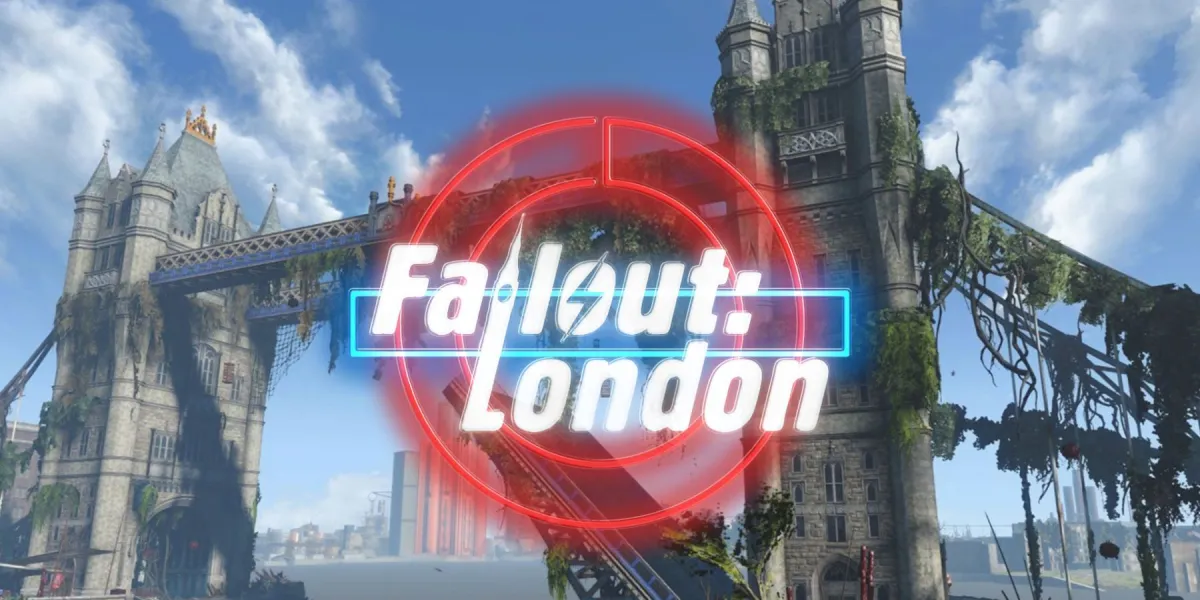 Photo: Fallout: London, via static0.gamerantimages.com
The rise of sophisticated modding tools and platforms like Nexus Mods, Steam Workshop, and the newer ModHub have democratized game development in ways the industry never anticipated. What started as simple texture swaps has evolved into complex total conversions that rival AAA productions in scope and ambition.
The Preservation Problem
Perhaps nowhere is the modding community's importance more evident than in game preservation. As publishers shut down servers, abandon older titles, or remove games from digital storefronts, modders step in to fill the void. The recent closure of Overwatch servers in favor of Overwatch 2 left millions of players without access to the original game they purchased — except for those who turned to community-run servers and restoration projects.
The Classic WoW phenomenon perfectly illustrates this dynamic. Blizzard initially fought against private servers running older versions of World of Warcraft, but player demand was so overwhelming that they eventually launched WoW Classic as an official product. The irony? Many of the features that made Classic successful were directly inspired by community-run servers that had been preserving the original experience for years.
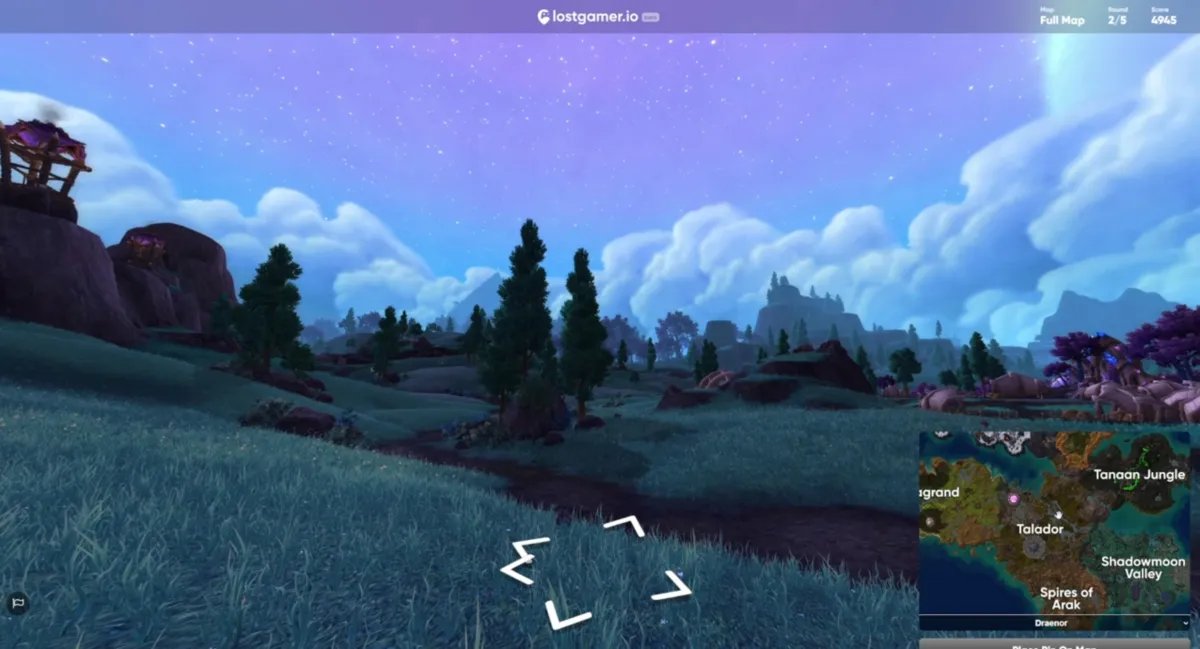 Photo: World of Warcraft, via wow.zamimg.com
The Legal Tightrope
This preservation effort exists in a legal gray area that makes publishers nervous. While modding is generally protected under fair use, the line between modification and copyright infringement can be razor-thin. The recent legal battle over the GoldenEye 007 remake mod highlighted these tensions — fans spent years recreating the beloved N64 shooter in a modern engine, only to face takedown notices from rights holders.
Yet some publishers are beginning to recognize the value of their modding communities. Cities: Skylines developer Colossal Order has embraced modders so completely that many of the game's official DLCs started as community creations. Similarly, Arma 3's longevity is almost entirely due to its robust modding scene, with some mods like DayZ eventually becoming standalone commercial products.
The Economics of Free Labor
The elephant in the room is economics. Modders provide thousands of hours of free labor, creating content that extends game lifespans and drives continued sales. Grand Theft Auto V, now over a decade old, remains one of the best-selling games on Steam largely because of its modding scene. Yet modders rarely see any financial compensation for their work, even as their creations generate millions in continued revenue for publishers.
Some platforms are beginning to address this imbalance. Bethesda's Creation Club and Steam's paid mods initiative (despite its rocky start) represent attempts to monetize community content. However, many modders remain skeptical of these systems, preferring the freedom and creative control that comes with the traditional free modding ecosystem.
The New Gatekeepers
What's fascinating about 2026's modding landscape is how these communities have become tastemakers and quality gatekeepers in their own right. When a new game launches, modders often identify and fix issues faster than official patches. The Cyberpunk 2077 modding community famously addressed many of the game's launch problems months before CD Projekt Red's official fixes arrived.
This has created an interesting dynamic where modders effectively serve as an unofficial QA department for the entire industry. Games with strong modding support tend to have longer lifespans and better player retention, while titles that lock out modders often fade into obscurity.
The Future of Player-Driven Development
As we look toward the future, the relationship between developers and modders is evolving rapidly. Some studios are beginning to hire prominent modders, recognizing that these community members often understand their games better than anyone else. The lead developer of the popular Skyrim mod Falskaar was hired by Bungie, while several Minecraft modders have joined Mojang's official team.
This brain drain from the modding community to commercial development raises questions about the future of free player-created content. As the most talented modders get absorbed into the industry, will the community lose its edge? Or will new voices emerge to fill the void?
The Recognition They Deserve
Perhaps it's time for the gaming industry to formally acknowledge what players have known for years: modders aren't just fans tinkering with code — they're essential partners in keeping games alive and relevant. They're the reason we can still enjoy classics like Half-Life and Doom decades after release, and they're the creative force behind some of gaming's most innovative experiences.
In an industry increasingly focused on live-service models and planned obsolescence, modders represent something precious: a commitment to games as lasting art rather than disposable products. They're not just saving abandoned games — they're saving the soul of gaming itself.