Remember when playing games with friends meant everyone needed the same console? Those days are dying fast, and American gamers are leading the charge to bury them for good. In 2026, cross-platform play has evolved from a nice-to-have feature into a non-negotiable expectation that's fundamentally reshaping purchasing decisions across the United States.
The numbers don't lie: according to recent surveys, 73% of American gamers now consider cross-play support a primary factor when buying new games, up from just 41% in 2022. We're not just asking for cross-play anymore — we're demanding it, and voting with our wallets when developers fail to deliver.
The Tipping Point Generation
Generation Z gamers, now in their prime spending years, grew up in a world where platform exclusivity feels as outdated as dial-up internet. For them, the idea that a $70 game might lock them away from friends based on hardware choices isn't just inconvenient — it's actively offensive.
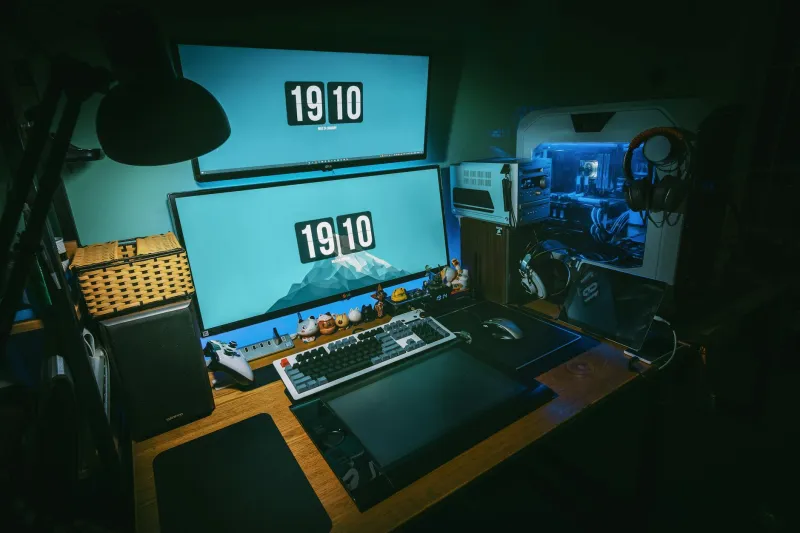
"Why would I buy a game that cuts me off from half my friend group?" asks Sarah Chen, a 22-year-old college student from Austin. "My roommate has a PlayStation, I've got an Xbox, and my boyfriend games on PC. If a game doesn't support cross-play in 2026, it feels broken by design."
This sentiment is echoing across American gaming communities, from college dorms to suburban living rooms where families own multiple gaming devices. The traditional model of platform-specific friend lists and isolated gaming ecosystems is colliding with the reality of how Americans actually live and play.
The Success Stories: Getting It Right
Fortnite remains the gold standard, but 2026 has seen major franchises finally catch up. Call of Duty has perfected cross-platform progression, allowing players to maintain their unlocks, stats, and battle pass progress regardless of where they log in. The result? Player engagement is up 34% year-over-year, with the average player now gaming across 2.3 different platforms.
Rocket League continues to prove that cross-play isn't just about playing together — it's about building unified communities. Their recent "Platform Agnostic Tournaments" have created competitive scenes that transcend console wars, with American teams regularly mixing PC precision players with console controller masters.
Even traditionally single-player experiences are embracing the cross-play philosophy. It Takes Two and A Way Out developer Hazelight Studios has committed to making all future co-op games platform-agnostic by default, recognizing that great co-op experiences shouldn't be limited by hardware choices.
The Holdouts: Missing the Memo
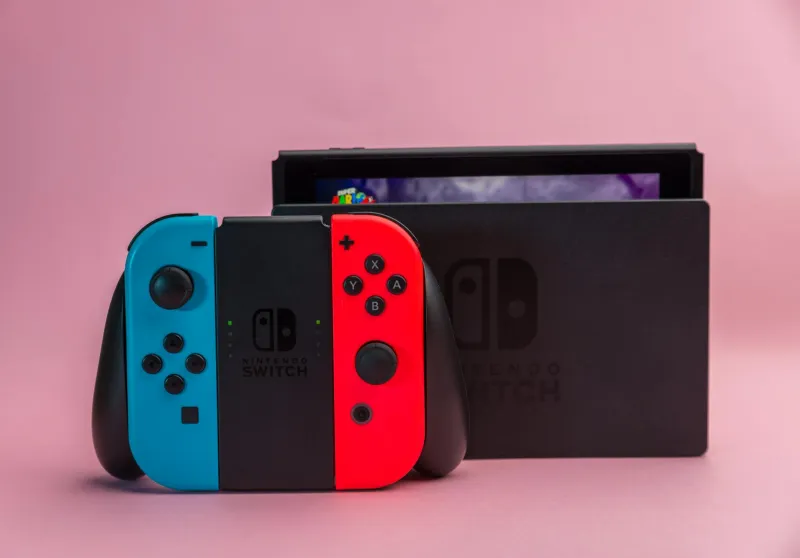
Some major publishers are still living in the past, and American gamers are making them pay for it. Nintendo remains frustratingly inconsistent, supporting cross-play in some first-party titles while inexplicably blocking it in others. Super Mario Party supports cross-platform play, but Mario Kart 8 Deluxe still locks Nintendo Switch players into their own ecosystem.
The most egregious example might be Sony's selective approach to cross-play. While Spider-Man 2 finally supports cross-platform co-op, other PlayStation exclusives launching on PC months later still treat each platform as separate universes. It's a strategy that made sense in 2018 but feels actively hostile to consumers in 2026.
Activision Blizzard deserves particular criticism for Diablo IV's progression system. While the game technically supports cross-play, seasonal rewards and certain cosmetics remain platform-locked, creating a frustrating two-tier experience that punishes players for not sticking to a single ecosystem.
The Economics of Exclusivity
Platform holders have legitimate business reasons for resisting cross-play. PlayStation, Xbox, and Nintendo all take 30% cuts from digital sales, and cross-platform progression threatens to commoditize their storefronts. If players can buy games anywhere and play everywhere, platform exclusivity loses its leverage.
But American market dynamics are forcing their hand. The used game market has largely collapsed, making digital sales paramount. Players who feel locked into ecosystems are increasingly likely to wait for sales, use subscription services, or simply skip games entirely. The short-term revenue protection of walled gardens is being outweighed by long-term engagement losses.
Microsoft recognized this shift early, embracing cross-play as a competitive advantage when they were trailing PlayStation in console sales. Now that Game Pass spans PC, Xbox, and mobile platforms, Microsoft benefits from players engaging with their ecosystem regardless of hardware. It's a strategy that's paying dividends as American gamers increasingly view Xbox as a service rather than a console.
The Mobile Factor
Smartphone gaming has accelerated cross-play adoption in unexpected ways. Games like Genshin Impact and PUBG Mobile have trained American players to expect seamless progression across devices. When a free-to-play mobile game offers better cross-platform support than a $70 console exclusive, the contrast becomes impossible to ignore.
Apple and Google are now pushing cross-platform gaming as premium features for their respective app stores, creating pressure on traditional console makers to match mobile convenience standards. The irony isn't lost on anyone: phones are leading console innovation in 2026.
Community Pressure: The Grassroots Revolution
American gaming communities are organizing around cross-play demands in ways that would have been impossible five years ago. Reddit communities like r/CrossPlayGaming have become powerful advocacy platforms, organizing boycotts and amplifying developer promises.
Twitch streamers regularly highlight cross-play capabilities (or lack thereof) in their game reviews, directly influencing purchasing decisions among their audiences. When major streamers like Ninja or Pokimane can't play new releases with their diverse, multi-platform audiences, the criticism reaches millions of potential customers instantly.
The grassroots nature of this movement makes it particularly powerful. This isn't corporate marketing or industry lobbying — it's organic consumer demand that's reshaping market expectations from the ground up.
Looking Ahead: The Platform-Agnostic Future
2026 feels like the year cross-play finally becomes standard rather than special. Major upcoming releases like Grand Theft Auto VI and The Elder Scrolls VI are being developed with cross-platform play as core features rather than post-launch additions.
Cloud gaming services are accelerating this trend by making hardware choices increasingly irrelevant. When the same game can run on a flagship smartphone, a budget laptop, or a premium console with identical performance, platform exclusivity starts feeling arbitrary.
The writing is on the wall: American gamers have decided that artificial barriers between gaming platforms are unacceptable in 2026. Publishers and platform holders can either adapt to this new reality or watch their market share erode to competitors who embrace the platform-agnostic future.
The console wars aren't ending — they're evolving into a competition over who can best serve gamers across all devices, rather than who can best lock them into a single ecosystem.