The Controller Graveyard: Why America's Disabled Gamers Are Still Fighting for a Seat at the Spawn Point
When Microsoft unveiled the Xbox Adaptive Controller in 2018, the gaming industry collectively patted itself on the back. Finally, here was proof that gaming could be for everyone. Eight years later, as we navigate the landscape of 2026, that optimism feels increasingly hollow. While accessibility features have become standard marketing bullet points, the reality for America's 61 million disabled gamers tells a different story—one of tokenism, missed opportunities, and a fundamental misunderstanding of what true inclusion actually looks like.
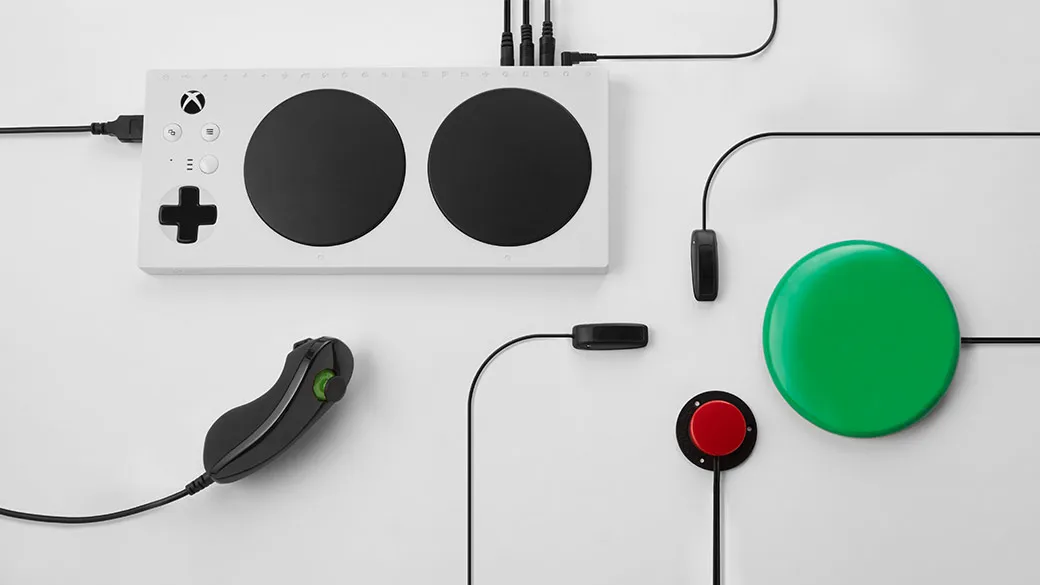 Photo: Xbox Adaptive Controller, via assets.xboxservices.com
The Great Accessibility Theater
Walk through any major gaming convention today and you'll see accessibility booths everywhere. Publishers showcase their colorblind-friendly palettes, their subtitle options, their button remapping features. It's become the industry equivalent of virtue signaling—a checklist item that makes everyone feel good without addressing the deeper structural problems.
"We've moved from 'accessibility is impossible' to 'accessibility is a checkbox,'" explains Sarah Chen, founder of the Disabled Gamers Alliance. "Studios will add some basic options and call it a day, but they're not actually talking to disabled players about what we need."
 Photo: Sarah Chen, via 3.bp.blogspot.com
The numbers back up Chen's frustration. A 2026 survey by the AbleGamers Foundation found that while 89% of major releases now include some form of accessibility features, only 23% of disabled players report feeling "fully accommodated" by modern games. The gap between perception and reality has never been wider.
Where the Industry Gets It Right
To understand what genuine accessibility looks like, you need to examine the studios actually getting it right. Naughty Dog's approach to The Last of Us Part II remains the gold standard—not because they added accessibility as an afterthought, but because they baked it into their design philosophy from day one.
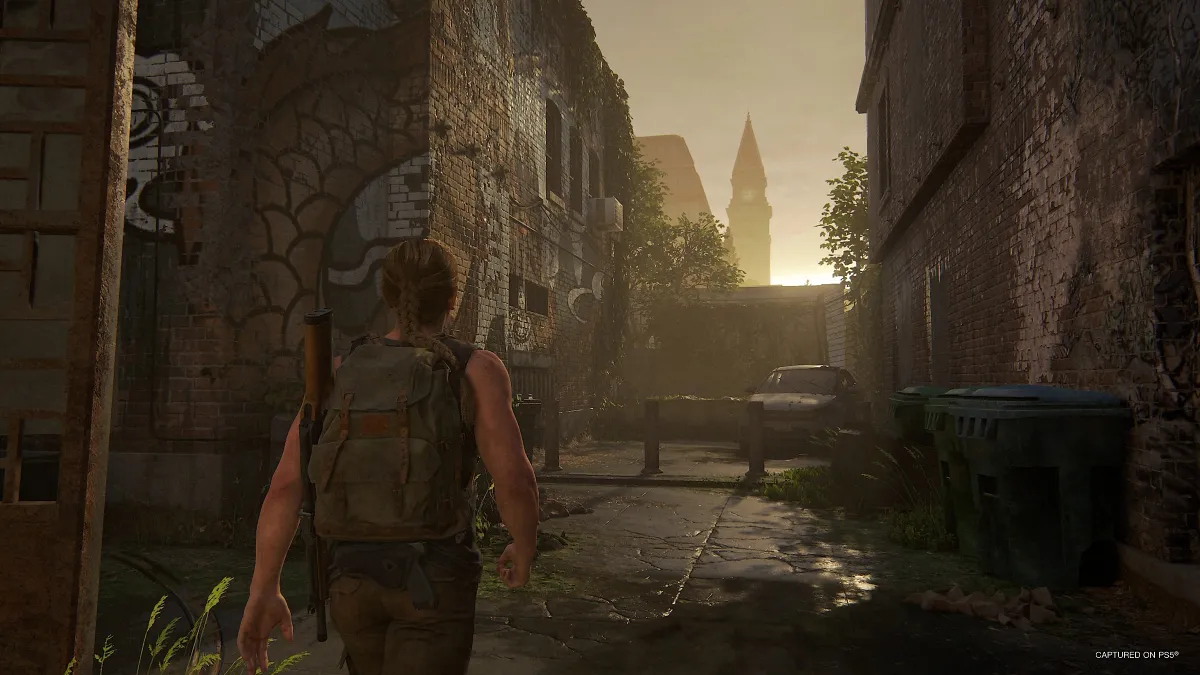 Photo: The Last of Us Part II, via gamingbolt.com
"We didn't just add audio cues for blind players," former Naughty Dog accessibility consultant Brandon Cole explains. "We reimagined how environmental storytelling could work through sound, how navigation could function through audio landmarks. It made the game better for everyone."
Similarly, Insomniac Games has quietly become an accessibility powerhouse. Their Spider-Man series doesn't just accommodate players with motor disabilities—it actively celebrates different ways of playing. The studio's "accessibility-first" design philosophy means that adaptive features aren't buried in menus; they're presented as equally valid ways to experience the game.
The Corporate Accessibility Trap
But for every Naughty Dog success story, there are dozens of studios treating accessibility like a compliance issue rather than a creative opportunity. The problem isn't malicious—it's systemic. Most major publishers now have accessibility consultants, but they're brought in during the final months of development when fundamental design decisions have already been locked in.
"You can't accessibility-wash a game that was never designed with inclusion in mind," argues Josh Straub, executive director of AbleGamers. "We see this constantly—studios asking us to 'fix' their game three months before launch. By then, we're just applying band-aids to broken bones."
The corporate approach also tends to focus on the most visible disabilities while ignoring less obvious ones. Hearing and vision impairments get attention because they're easy to understand and relatively straightforward to address. Cognitive disabilities, chronic pain conditions, and neurological disorders—which affect millions of American gamers—remain largely invisible to developers.
The Community Fighting Back
Frustrated by industry inaction, disabled gamers are taking matters into their own hands. The modding community has become an unexpected accessibility laboratory, with disabled players creating solutions that publishers won't. Popular mods like "One-Hand Friendly" for major PC titles and "Cognitive Load Reducer" for complex strategy games often receive more downloads than official accessibility patches.
Streamer and advocate Steve Saylor has built a following of over 300,000 by demonstrating how games can be made accessible through creative workarounds. "I'm not trying to shame developers," Saylor explains. "I'm trying to show them what's possible when you think outside the traditional controller paradigm."
The community's DIY approach has also revealed uncomfortable truths about industry priorities. When fans can create comprehensive accessibility mods in their spare time, it raises questions about why billion-dollar studios can't implement similar features with dedicated teams and unlimited resources.
The Real Cost of Exclusion
The gaming industry's accessibility failures aren't just moral shortcomings—they're economic ones. The disabled gaming market represents approximately $13 billion in annual spending power, according to recent market research. Studios that ignore this demographic aren't just excluding players; they're leaving money on the table.
Microsoft has been notably transparent about this reality. Phil Spencer, head of Xbox, has repeatedly stated that accessibility isn't charity—it's good business. The success of the Adaptive Controller, which has sold over 500,000 units and generated countless positive headlines, proves that accessibility can be both profitable and meaningful.
What 2027 Could Look Like
Despite the frustrations, there are reasons for cautious optimism. The upcoming generation of game developers—many of whom grew up with disabled friends and family members—seem more naturally attuned to inclusive design. Several major studios are experimenting with "accessibility-first" development cycles, where accommodation features are designed alongside core gameplay rather than retrofitted later.
New technologies also offer unprecedented opportunities. AI-powered audio description, haptic feedback systems, and brain-computer interfaces could revolutionize how disabled players experience games. The question isn't whether these technologies will arrive—it's whether the industry will embrace them meaningfully or treat them as another marketing gimmick.
The Spawn Point We Deserve
The controller graveyard isn't just filled with broken hardware—it's filled with broken promises. Every inaccessible game launch, every "we'll patch it later" commitment, every accessibility consultant hired too late adds another tombstone to a growing memorial of missed opportunities.
But graveyards aren't just about what's been lost—they're also about what we choose to remember and honor moving forward. The disabled gaming community has shown remarkable resilience, creativity, and patience in the face of an industry that often treats them as an afterthought. The question now is whether that industry will finally listen before it's too late to matter.
For an industry built on the concept of respawning and second chances, gaming's accessibility record remains frustratingly stuck on the game over screen.