The numbers don't lie: for the first time in gaming history, more Americans are building their first gaming PC than buying their first console. According to Steam's latest hardware survey, over 3.2 million new US users joined the platform in the first quarter of 2026 alone—and a significant chunk of them are refugees from the console wars.
This isn't just a trend; it's a full-scale migration that's reshaping how we think about gaming platforms. But what's driving lifelong PlayStation and Xbox players to make the jump, and is the grass actually greener on the other side?
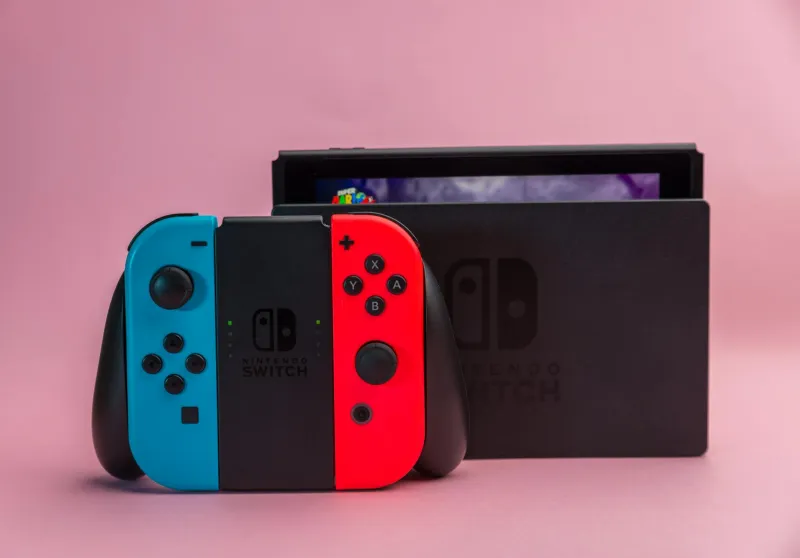
The $600 Problem: When Consoles Cost More Than PCs
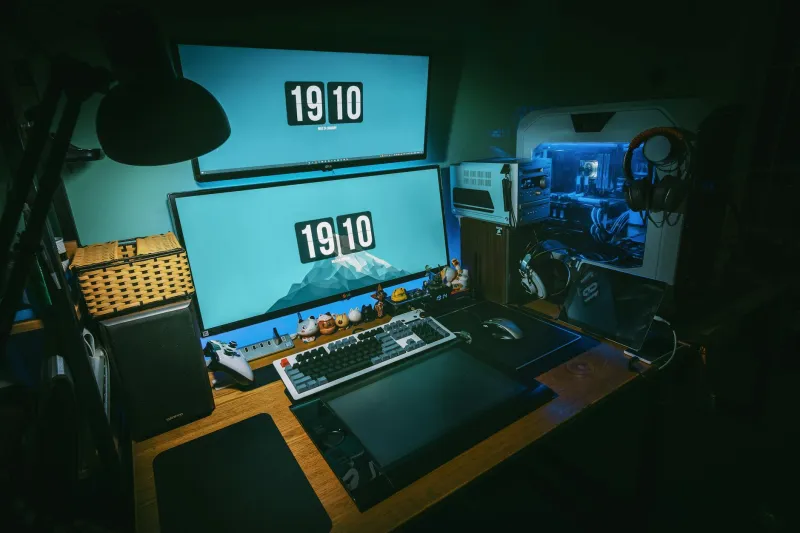
Let's address the elephant in the room: the PlayStation 5 Pro launched at $699, and the rumored Xbox Series X Elite is expected to hit $799 when it drops later this year. Meanwhile, you can build a capable 1440p gaming PC for around $600—less if you're smart about component sales and don't mind last-gen hardware.
"I was a PlayStation guy for twenty years," says Marcus Chen, a software engineer from Austin who built his first gaming rig in January. "But when I did the math on a PS5 Pro plus three $70 games, I was already at $900. For that price, I could build something that plays everything better and doesn't charge me to play online."
Chen isn't alone. Reddit's r/buildapc community has seen a 340% increase in "former console player" posts since November 2025, with most citing cost as their primary motivation. The irony isn't lost on anyone: PC gaming, once the expensive enthusiast option, has become the budget-conscious choice.
Game Pass: Microsoft's Accidental PC Revolution
Microsoft might have accidentally killed console loyalty with Game Pass. The service offers the same library on PC and Xbox, but PC users get additional benefits: mod support, higher frame rates, and no need to pay for online multiplayer. When you can play Starfield at 120fps with community mods for $10 a month, why spend $500 on an Xbox?
"Game Pass made the transition painless," explains Sarah Rodriguez, a marketing manager from Denver who switched to PC gaming last fall. "All my saves transferred over, my friend list stayed the same, and suddenly I had access to my entire Xbox library plus Steam sales. It was like upgrading to first class for free."
The data backs up Rodriguez's experience. Xbox Game Pass for PC has grown 89% year-over-year, while Xbox console sales have remained flat. Microsoft's "play anywhere" strategy is working—just not how they probably intended.
The Steam Deck Effect: Handheld PCs Normalize PC Gaming
Valve's Steam Deck didn't just create a new gaming category; it introduced millions of players to the PC ecosystem without the intimidation factor. Suddenly, PC gaming wasn't about RGB lighting and liquid cooling—it was about having your entire Steam library in your hands.
"The Steam Deck was my gateway drug," admits Tyler Washington, a college student from Portland. "I bought it to play indie games on campus, but when I saw Cyberpunk 2077 running better on my handheld than my friend's base PS5, I started researching desktop builds."
The ripple effects are everywhere. Best Buy reports that Steam Deck purchases have a 73% correlation with desktop PC component sales within six months. ASUS's ROG Ally and Lenovo's Legion Go are seeing similar patterns, creating a new pipeline from handheld curiosity to desktop commitment.
The Building vs. Buying Divide
Not everyone making the switch is ready to become a hardware expert overnight. Pre-built gaming PCs have become increasingly competitive, with companies like NZXT, Origin PC, and even traditional OEMs offering console-like simplicity with PC flexibility.
"I wanted PC gaming benefits without the PC gaming homework," says Jennifer Park, a nurse from Chicago who bought a pre-built rig from Micro Center. "I spent $800 on something that would have cost me $1,200 to build myself, and it came with a warranty and support. For me, that peace of mind was worth the premium."
The build-versus-buy decision often comes down to comfort level and time investment. Building offers better value and customization, but buying gets you gaming immediately with professional support. Both paths lead to the same destination: freedom from console ecosystem lock-in.
The Dark Side of the Migration
PC gaming isn't all frame rates and mod support. Driver updates, compatibility issues, and the occasional blue screen can turn gaming sessions into troubleshooting marathons. Console players used to "just works" experiences often struggle with PC gaming's complexity.
"I've spent more time tweaking settings than actually playing games," admits former PlayStation loyalist David Kim from Seattle. "There's something to be said for putting a disc in and knowing it'll work perfectly every time."
The learning curve is real. PC gaming requires a baseline technical literacy that console gaming deliberately avoids. For some players, this complexity is part of the appeal—they want control over their experience. For others, it's a constant source of frustration.
Platform Loyalty is Dead, Long Live Platform Agnostic Gaming
Perhaps the most significant shift isn't from console to PC, but from platform loyalty to platform agnosticism. Today's gamers increasingly see hardware as tools rather than identities. They'll play Fortnite on their phone during lunch, boot up Baldur's Gate 3 on their gaming PC at home, and catch up on indie titles via Steam Deck during their commute.
"I still have my PS5 for exclusives," explains Rodriguez. "But now I buy multiplatform games on PC, play Game Pass titles wherever I want, and use my PlayStation for Sony's first-party stuff. It's not about choosing sides anymore—it's about choosing the best experience for each game."
This platform-agnostic approach is becoming the norm among younger gamers who grew up with smartphones and understand that software matters more than hardware. The console wars aren't ending because one side won; they're ending because the battlefield itself has changed.
The Verdict: Migration Worth Making?
For most American gamers in 2026, the answer depends on your priorities. If you value simplicity, exclusives, and "just works" reliability, consoles still deliver. But if you're price-conscious, want maximum performance, or crave access to the broadest possible game library, PC gaming has never been more accessible.
The great migration isn't about PC gaming being objectively better—it's about PC gaming finally being approachable enough that its advantages outweigh its complexity for mainstream players. Whether you're building your first rig or buying your first pre-built, you're joining a platform that puts choice in your hands rather than taking it away.
In a world where games matter more than the boxes we play them on, that freedom might be the most valuable upgrade of all.