From Basement Runs to Brand Deals: Inside the Booming Economy of Professional Speedrunning
Not long ago, if you told someone you made money speedrunning video games, they'd have assumed you meant streaming — grinding out content, building an audience, hoping the algorithm was kind. The speedrunning part was almost incidental, a niche that happened to be your content hook. The money, if it came, came from being a personality first and a runner second.
That calculus is changing fast. In 2026, speedrunning isn't just a streaming subculture — it's developing the infrastructure of a legitimate competitive sport, complete with tiered sponsorships, dedicated event circuits, and a professionalization pipeline that's starting to look less like Twitch hustle and more like an actual career path.
What Changed
The tipping point wasn't a single event — it was a slow accumulation of visibility. Games Done Quick, the charity marathon that twice a year turns speedrunning into appointment television, has been the gateway drug for mainstream audiences for over a decade. But GDQ was always framed as a charity showcase, not a competitive circuit. The community loved it, but it wasn't building careers.
What's shifted in the last two years is the infrastructure around the edges. Dedicated speedrunning leagues have emerged with structured seasons, seeded brackets, and prize pools that are no longer purely symbolic. Brands — particularly in the gaming peripheral and energy drink space, but increasingly in broader consumer categories — have started treating top runners as legitimate sponsorship targets rather than a curiosity.
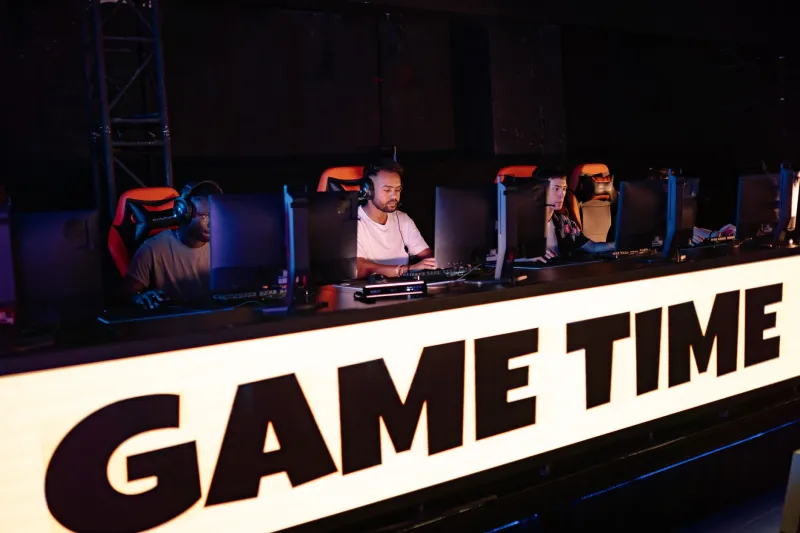
The 2026 Games Done Quick circuit is the clearest expression of how far things have come. Events that used to feel like community gatherings now carry the production values of esports broadcasts, with commentary teams, overlays, and post-run analysis segments that would look at home on ESPN2. The audience numbers have followed.
The Economics of Going Fast
So what does a professional speedrunning career actually look like financially? The honest answer is: it depends enormously on where you sit in the ecosystem.
At the very top — the handful of runners who hold high-profile world records in marquee games with massive viewership — the economics can be genuinely competitive with other content-creation careers. Sponsorship deals with peripheral brands can run anywhere from a few hundred dollars a month for mid-tier runners to multi-thousand-dollar annual contracts for those with significant audiences. Add in Twitch subscription revenue, YouTube ad splits, and event appearance fees, and the picture starts to look sustainable.
For the broader community, it's more complicated. The middle tier of competitive speedrunning — runners who are genuinely elite but not household names even within the community — is where the economics get murky. These are people with legitimate world records, deep technical expertise, and dedicated audiences, but not the breakout streaming numbers that attract premium brand deals.
That middle tier is where the most interesting development is happening right now. New platforms and community-built infrastructure are creating micro-economies that didn't exist before — bounty systems, patron-style community funding, and event-specific prize pools sourced directly from viewer donations. It's not a salary, but it's real money for real skill.
Publishers Are Finally Paying Attention
For most of speedrunning's history, major game publishers had a complicated relationship with the community. Some embraced it — celebrating world records, engaging with runners on social media, occasionally patching games in ways that preserved rather than broke popular routes. Others treated it with indifference or outright hostility, issuing DMCA claims on event streams or patching out glitches without acknowledging the community at all.
In 2026, that relationship is warming considerably. Publishers have figured out that a healthy speedrunning scene is essentially free long-tail marketing. A game with an active speedrunning community stays in the cultural conversation years after launch. It generates content, maintains streaming presence, and demonstrates a depth of mechanical engagement that casual players find aspirational.
Some publishers are now actively designing with speedrunners in mind — not just tolerating the community, but courting it. Built-in in-game timers, category-specific leaderboard integrations, and official acknowledgment of world records are becoming more common. A few studios have gone further, inviting prominent runners to participate in pre-launch testing specifically to evaluate routing potential.
The Legitimacy Question
The persistent challenge for speedrunning as a professional pursuit is the legitimacy question — the sense, still common outside the community, that this is a hobby dressed up as a career. That perception is fading, but it hasn't disappeared.
Part of the answer is simply time and visibility. As more runners build sustainable careers, as event production values rise, and as mainstream sports media starts covering GDQ events the way they cover esports, the cultural framing shifts. The skill involved in world-class speedrunning — the memorization, the execution precision, the routing creativity, the real-time problem-solving when a run goes sideways — is genuinely impressive to anyone who spends five minutes watching it.
The other part of the answer is organizational. The speedrunning community has historically been decentralized to a fault, resistant to the kind of formal structure that turns a scene into an industry. That's changing, slowly but visibly, as community leaders recognize that some degree of organization is necessary to attract the sponsorship and media infrastructure that makes professional careers possible.
Where It Goes From Here
The 2026 GDQ circuit has already demonstrated that speedrunning can sustain a broadcast format that casual audiences will watch. The next frontier is whether it can build the year-round competitive infrastructure that turns occasional viewers into invested fans — the kind of fans who follow specific runners, care about rivalries, and tune in for something other than charity marathon novelty.
That's the transition from subculture to sport. It won't happen overnight, and it won't happen the same way esports happened. Speedrunning's appeal is different — more artisanal, more community-rooted, more about the relationship between a single runner and a single game than about team competition. That distinctiveness is a strength, not a limitation.
For the runners grinding world records in their spare bedrooms right now, the window is opening. The economy is there, imperfect and still forming, but real. In 2026, going fast is starting to pay.